
TSX Venture Stocks: Separating the Signal from the Noise
How to evaluate exploration and early-stage companies on TSXV.
The TSX Venture Exchange is where Canadian resource and technology startups raise capital. Here is how to evaluate them without getting swept up by promotion.
By Hannah Kuan2 min read
Dieser Artikel ist derzeit nur auf Englisch verfügbar.
Typical TSXV position size
<2%
per name in a portfolio
TSXV allocation ceiling
<10%
for most retail investors
Exploration success rate
Low
most projects do not become mines
What is the TSX Venture Exchange
The TSX Venture Exchange is Canada''s public market for smaller and early-stage companies. It is best known for resource exploration, but it also hosts technology, clean technology, and life sciences companies. The exchange provides liquidity and access to capital, but it is higher risk than the main TSX board.
The signal you want
A good TSXV company has:
- A clear, specific asset or product.
- Management with a track record in the same sector.
- A capital structure that is not excessively diluted.
- Regular, transparent disclosure, even when the news is bad.
- A credible path to funding the next milestone without constant equity issuance.
The noise you should ignore
- Promotion-heavy press releases: If a release is full of adjectives and short on data, treat it as marketing.
- Bulk sampling claims: Early-stage resource companies sometimes report grab samples as if they are representative. They are not.
- Vague partnerships: "MOU signed" or "letter of intent" is not revenue. Wait for definitive agreements.
- Social media hype: Reddit and Twitter can move small stocks. They do not change the fundamentals.
The numbers to check
- Cash and burn rate: How many quarters until the next financing?
- Share count: Has the company doubled its share count in two years? That dilutes existing owners.
- Warrants and options: In-the-money warrants can create selling pressure when exercised.
- Insider ownership: Skin in the game matters. Low insider ownership is a warning sign.
Exploration is a probability game
Most exploration projects fail. The goal is not to find a winner every time. The goal is to buy assets where the upside justifies the probability of failure. If a project has a 10% chance of becoming a mine but the potential value is 50x the current market cap, the math can work. Most retail investors do not do that math.
How to size positions
TSXV stocks should be small positions in a diversified portfolio. A common rule is that no single TSXV name should be more than 2% of a portfolio, and the total TSXV allocation should be under 10% for most investors.
Key takeaway
The TSX Venture is a legitimate market, but it rewards skepticism. Do your own work, ignore the cheerleaders, and size positions as if most of them will not work out. The ones that do can more than pay for the ones that do not.
Offenlegung
The Maple Markets is not a registered investment advisor. This article is for information only.
Weiterlesen
Also in English: TSX Venture Stocks: Separating the Signal from the Noise
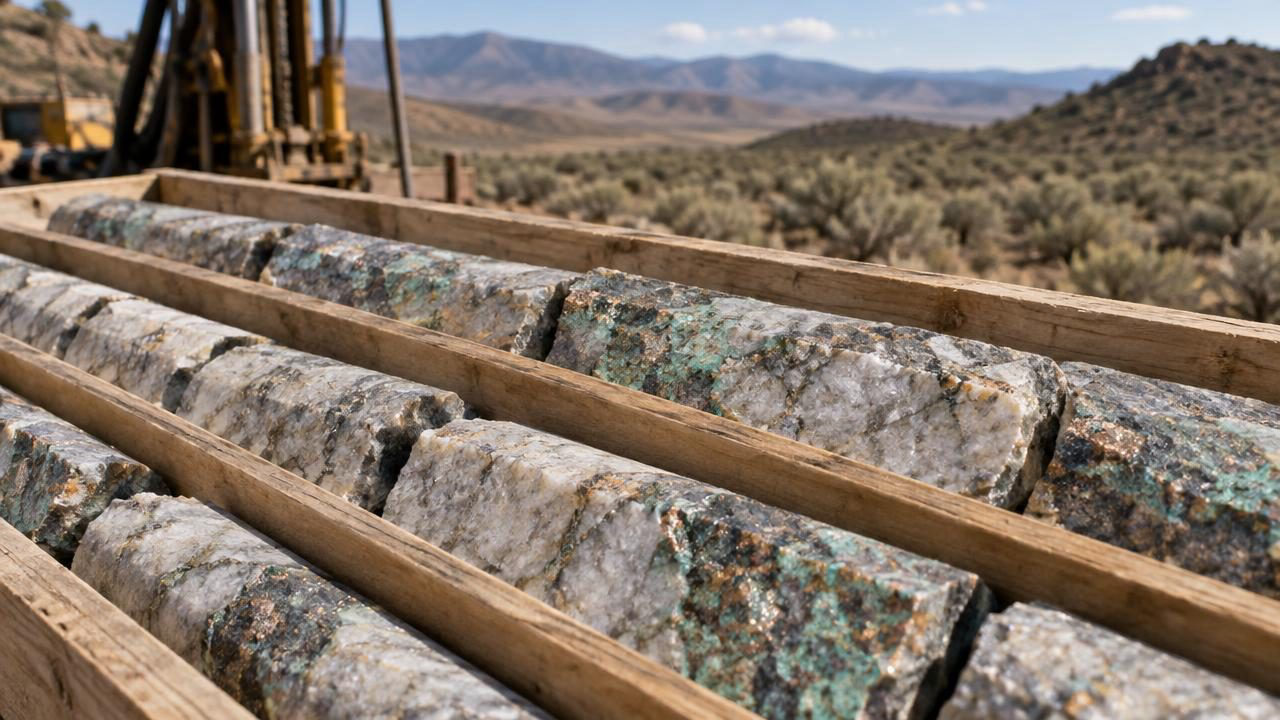 GesponsertMining & EnergyCopper One trifft im ersten Bohrloch von Phase 2 bei Majuba Hill auf visuell identifiziertes gediegenes KupferCopper One Resources hat das erste Bohrloch seines Phase-2-Programms bei Majuba Hill in Nevada abgeschlossen, eine Woche nachdem das Unternehmen den Beginn der Bohrungen gemeldet hatte. Bohrloch MHB-39 reichte 210 Fuß tiefer als geplant, um anhaltender Verkieselung zu folgen, und traf auf visuell identifizierte Kupferoxide bei 820 Fuß und gediegenes Kupfer bei 1,090 Fuß, innerhalb des oxidischen und angereicherten Bereichs des Unternehmens. Die ehemals produzierende Mine weist rund 95,000 Fuß an Bohrungen auf, das Betriebskapital lag nach Angabe des Unternehmens am 14. Oktober bei C$19.1 Millionen, und Analyseergebnisse werden die Gehalte bestimmen.Daryl Frètu Von · 2. November 2026 · 10 min
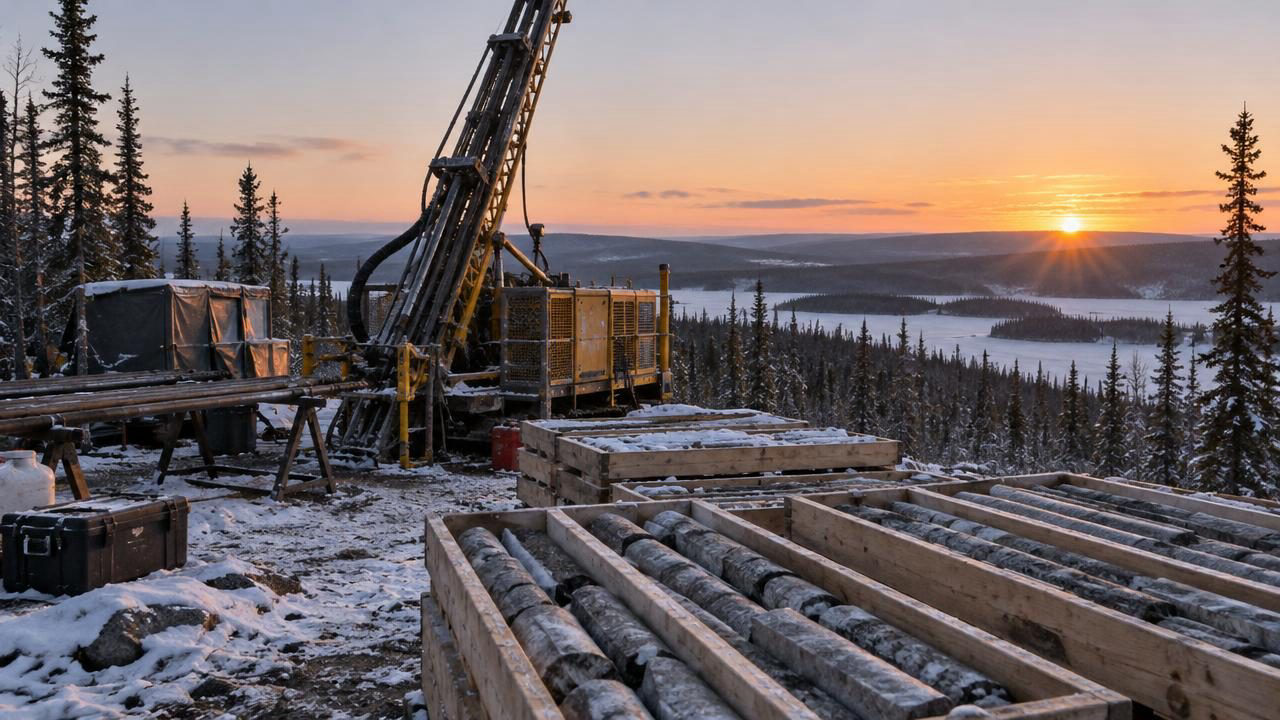 Mining & EnergyF3 Uraniums stärkstes Explorationsbohrloch: 4,400 cps außerhalb von JR und TetraF3 Uranium meldete am 21. Oktober, dass das Bohrloch PLN26-232, gebohrt etwa einen Kilometer östlich der Tetra-Entdeckung im westlichen Athabasca-Becken in Saskatchewan, auf einem Handspektrometer 4,400 Impulse pro Sekunde ergab, der stärkste Wert in einem Explorationsbohrloch abseits der bekannten Zonen. Ein zweites Bohrgerät geht dem nach. F3 schloss das Geschäftsjahr am 30. Juni 2026 mit C$22.7 Millionen an Barmitteln und Termineinlagen ab. Die Anschlussbohrungen sind damit finanziert. Die Analyseergebnisse stehen aus, und die Options- und RSU-Zuteilungen dieser Woche sind routinemäßige Vergütungsmeldungen.Daniel Okoye · 30. Oktober 2026 · 7 min
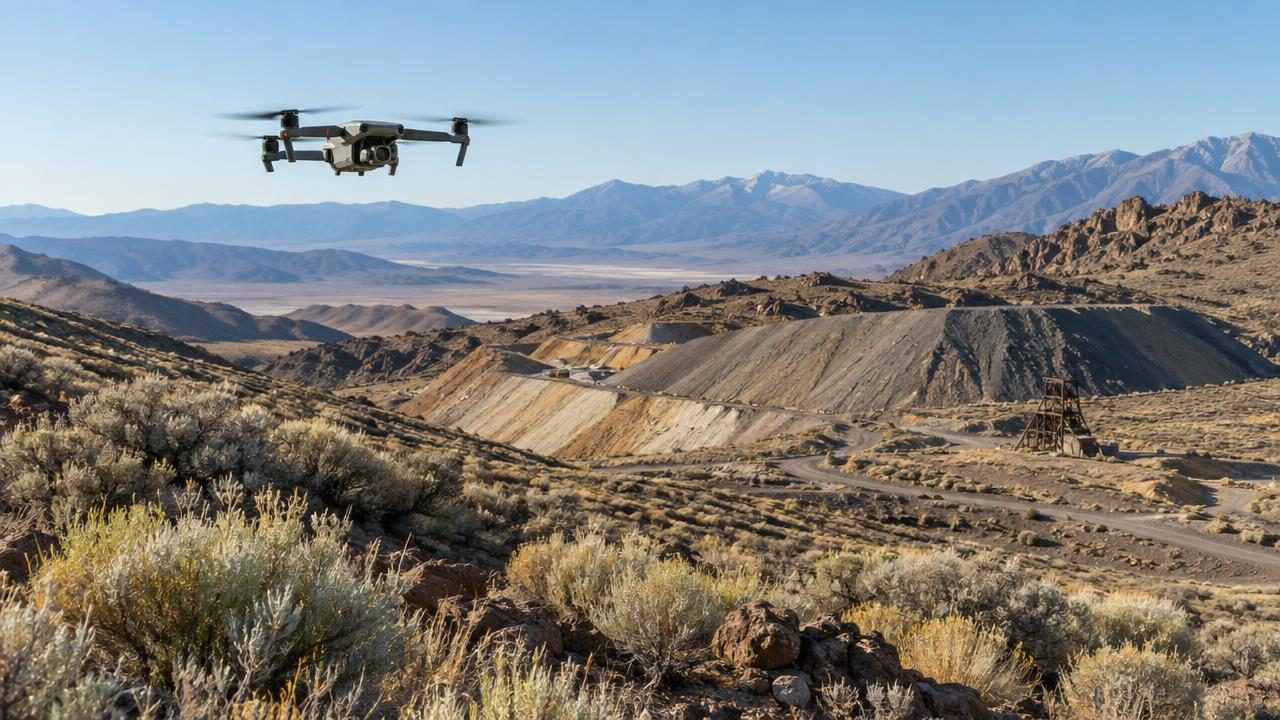 Mining & EnergyVault Strategic plant einen technischen Bericht und Anträge auf Bohrgenehmigungen bei War BondVault Strategic Mining schloss am 29. September 2026 eine Platzierung über C$1.5 Millionen ab und veröffentlichte am 19. Oktober die bearbeiteten Karten einer magnetischen Drohnenvermessung über 73.6 Linienkilometer bei War Bond, seinem historischen Wolframprojekt im Westen Nevadas. Nach Angaben des Unternehmens fließen die Daten in seinen ersten technischen Bericht nach NI 43-101, in weitere Arbeiten an der Oberfläche und in Anträge auf Bohrgenehmigungen ein. Die Vermessung bildet den Magnetismus des Gesteins ab, nicht den Wolframgehalt, und Termine für diese Schritte wurden nicht veröffentlicht.Daniel Okoye · 29. Oktober 2026 · 6 min
Dieser Geschichte folgen
VCU.TO, XCV.TO folgen – der nächste Maple-Beitrag zu diesen Unternehmen, dazu der Maple Morning Debrief vor Handelsbeginn.
Folgen und fragen
Mehr von unserer Berichterstattung zu den kanadischen Märkten in Google Top Stories.
Quellen und Verweise (2)
Diese Analyse zitieren
Bitte The Maple Markets nennen und auf die Originalseite verlinken.
Hannah Kuan (30. August 2026). TSX Venture Stocks: Separating the Signal from the Noise. The Maple Markets. https://themaplemarkets.ca/de/newsroom/tsx-venture-stocks-signal-from-noisehttps://themaplemarkets.ca/de/newsroom/tsx-venture-stocks-signal-from-noise