
Uranium Term Contracting Picks Up as Utilities Extend Coverage
Uranium term-contracting volumes are rising as utilities extend coverage further out, a shift that matters more to producer revenue than the widely quoted spot price. The piece explains the term-versus-spot dynamic, the slow supply response, and how to read a producer's contracted position.
By Marc Belzile3 min readTranslation: human
本文目前仅提供英文版本。

Revenue driver
Term contracts
Not spot
Demand horizon
Extending
Life extensions
Supply lag
Multi-year
Restart capital
Reported term-contracting volumes rose as utilities moved to extend coverage further into the next decade, a shift that matters far more to producer economics than the widely quoted spot price. Spot uranium headlines drive most retail attention because the number updates frequently and moves sharply, but it is not the price that determines what a producer actually earns on the bulk of its output.
Term versus spot
The spot market is thin and dominated by traders and financial vehicles rather than the utilities that consume the vast majority of mined uranium. Utilities buy the bulk of their requirements under multi-year contracts with floors and ceilings, negotiated well ahead of delivery to secure fuel supply for reactors that cannot tolerate an interruption. A producer's realised price is therefore a blend weighted heavily toward those contracts, and in periods when spot spikes or falls sharply, the realised price for an established producer can move far less than the spot quote implies. Reading a uranium producer's earnings using the spot price as a proxy for revenue is one of the more common mistakes made by investors new to the sector.
Why coverage is extending
Reactor life extensions and new-build commitments have lengthened the demand horizon for nuclear fuel, giving utilities more confidence to lock in supply years in advance rather than relying on the spot market for incremental needs. Utilities that let contract coverage run down during the long bear market — when spot prices were low and future demand looked uncertain — are now rebuilding that coverage, which supports term pricing independently of whatever the spot market is doing on a given day. This rebuilding process tends to happen gradually, as utilities stagger contract negotiations rather than covering multi-year gaps in a single transaction.
Supply response
Restarting idled capacity takes years and capital, since a mine placed on care and maintenance during the bear market cannot simply resume production on short notice — permits may need renewal, workforces rehired and trained, and processing infrastructure recommissioned. New mine construction takes considerably longer still. The lag between a price signal, whether in spot or in term contracts, and the physical supply response is the structural feature that has historically produced long, sharp uranium cycles rather than gentle, self-correcting ones. This lag is the mechanism by which a demand shift that shows up first in term-contracting data can take years to be met by a supply response, sustaining pricing pressure for longer than in commodities with faster-responding supply.
What term contract structures reveal
The specific terms utilities negotiate — the length of the contract, whether pricing is fixed, market-related, or a hybrid with floors and ceilings — reveal how much negotiating leverage each side holds at the time of signing. A shift toward longer terms and higher floor prices, as reported in industry contracting data, indicates utilities are willing to pay for supply security rather than betting on a soft spot market. That shift in terms is often visible before it shows up in aggregate volume figures, making contract structure a useful complement to the headline number.
The role of secondary supply
Historically, secondary sources such as inventories, government stockpile sales and reprocessed material have supplemented mined supply and complicated the simple relationship between demand and price. As those secondary sources are drawn down or become less available, the market becomes more dependent on primary mine supply, which reinforces the significance of the long lag between a contracting signal and a mine restart or new build discussed above.
What this means for producer selection
Producers differ substantially in how much of their book is committed under term contracts versus how much remains exposed to spot. A producer with a large uncontracted position benefits more from a rising spot price but also carries more revenue volatility, while a producer with a heavily contracted book has more predictable cash flow but captures less upside if spot continues to strengthen. Understanding a given producer's contracting position is a more useful starting point than reacting to the spot quote in isolation.
What to watch
Track quarterly term-contracting volumes and average contract duration reported by industry data providers, the mix of fixed-price versus market-related pricing mechanisms in new contracts, individual producers' disclosed contracted-versus-uncontracted production splits, and the pace of restarts and new project approvals relative to the demand signal coming from utility contracting.
披露声明
Information only. Not investment advice. The Maple Markets does not hold positions in securities discussed.
接着阅读
英文版: Uranium Term Contracting Picks Up as Utilities Extend Coverage
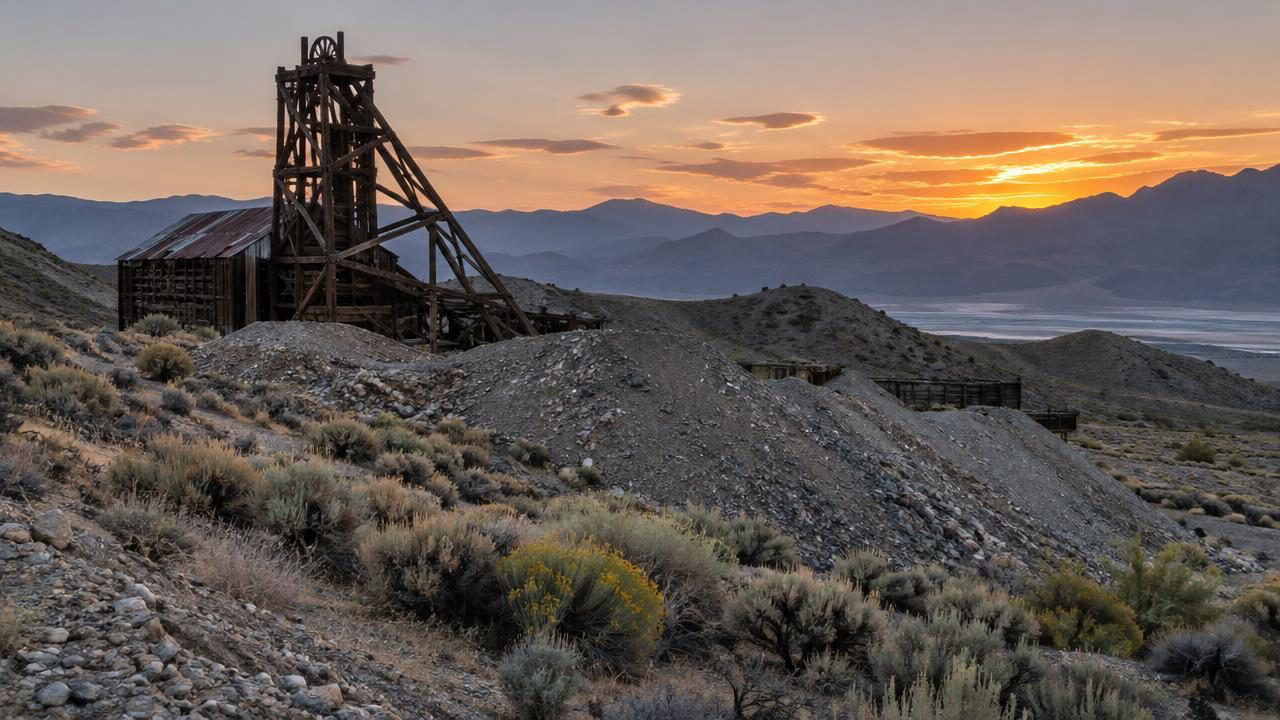 Mining & EnergyVault Strategic在内华达州:四个月专注于一处钨矿项目2026年7月3日,Vault Strategic Mining放弃另外两项钨矿期权,集中力量开发War Bond。War Bond位于内华达州西部,是1950年代曾经产钨的矿山。此后公司公布了地表采样结果,完成了73.6测线公里的磁法航测,完成150万加元配售,并启动首份NI 43-101技术报告。公司尚未给出报告日期;截至2026年11月30日的六个月财务报表是下一份计划提交的文件。Daniel Okoye · November 4, 2026 · 7 min
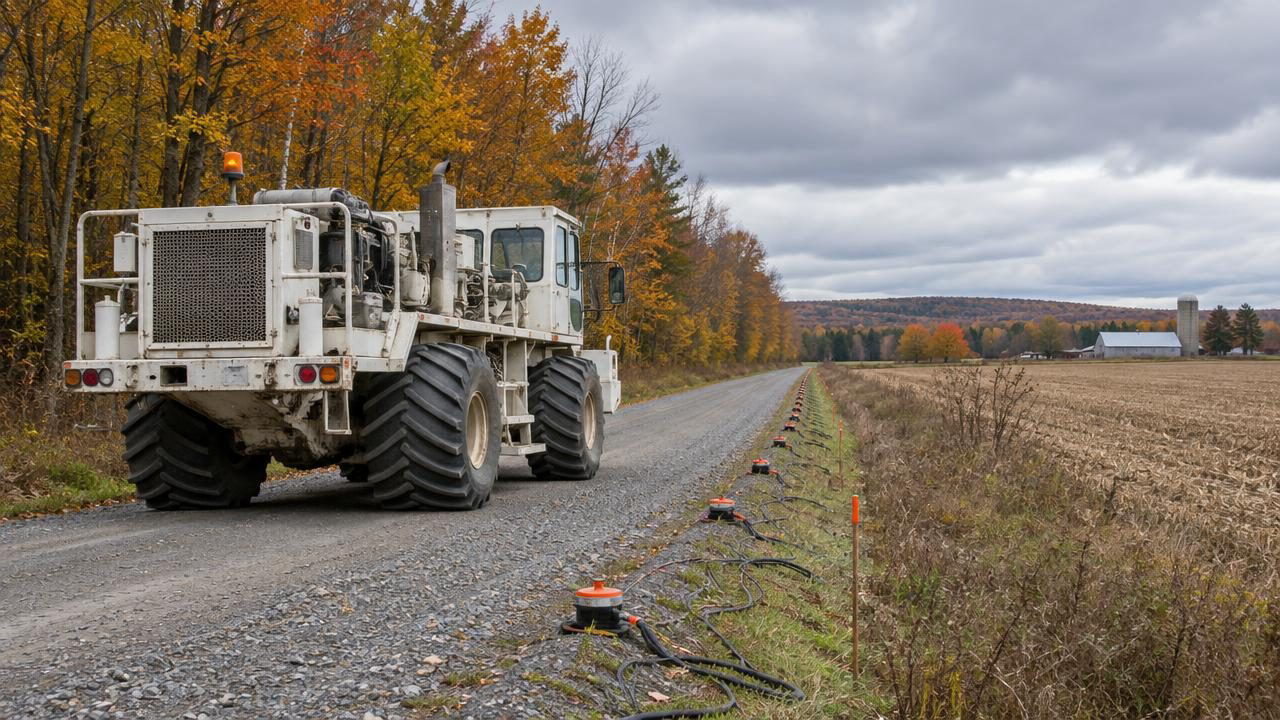 Mining & EnergyQIMC规划横跨三省、总长126.5公里的地震勘探Quebec Innovative Materials已完成新斯科舍省Cumberland县63.7测线公里的地震数据采集。其土壤气、氦、重力和磁法工作以及DDH-26-05钻孔的气体事件都位于同一测网内,目前正在卡尔加里处理。公司还计划与相同承包商在魁北克完成36公里、在安大略完成26.8公里,已完成和计划的覆盖范围合计约126.5测线公里。截至2026年6月30日,公司持有现金1,410万加元。Priya Sandhu · November 3, 2026 · 7 min
 TechnologyReklaim连续第三个季度盈利,股价上涨45%Reklaim Ltd.于2026年11月3日公布,截至9月30日的季度营收同比增长近两倍,达到316万加元,净利润127万加元,为连续第三个盈利季度。该股在多伦多创业板收于C$0.40,上涨45%,成交193万股。公司当季回购510万股;前一天,公司提议允许C$500,000可转换债券的持有人按现行C$0.105的价格提前转股,此事尚待多伦多创业板批准。Marc Belzile · November 3, 2026 · 6 min
Follow this story
Follow CCO — the next Maple piece on this company, plus the Maple Morning Debrief before the open.
Follow and ask
Get more of our Canadian market coverage in Google Top Stories.
资料来源与参考 (2)
引用本文分析
Please attribute The Maple Markets and link to the original page.
Marc Belzile (May 15, 2026). Uranium Term Contracting Picks Up as Utilities Extend Coverage. The Maple Markets. https://themaplemarkets.ca/zh-hans/newsroom/uranium-term-contracting-picks-up-as-utilities-extend-coveragehttps://themaplemarkets.ca/zh-hans/newsroom/uranium-term-contracting-picks-up-as-utilities-extend-coverage