
Uranium Term Contracting Picks Up as Utilities Extend Coverage
Uranium term-contracting volumes are rising as utilities extend coverage further out, a shift that matters more to producer revenue than the widely quoted spot price. The piece explains the term-versus-spot dynamic, the slow supply response, and how to read a producer's contracted position.
By Marc Belzile3 min readTranslation: human

Revenue driver
Term contracts
Not spot
Demand horizon
Extending
Life extensions
Supply lag
Multi-year
Restart capital
Reported term-contracting volumes rose as utilities moved to extend coverage further into the next decade, a shift that matters far more to producer economics than the widely quoted spot price. Spot uranium headlines drive most retail attention because the number updates frequently and moves sharply, but it is not the price that determines what a producer actually earns on the bulk of its output.
Term versus spot
The spot market is thin and dominated by traders and financial vehicles rather than the utilities that consume the vast majority of mined uranium. Utilities buy the bulk of their requirements under multi-year contracts with floors and ceilings, negotiated well ahead of delivery to secure fuel supply for reactors that cannot tolerate an interruption. A producer's realised price is therefore a blend weighted heavily toward those contracts, and in periods when spot spikes or falls sharply, the realised price for an established producer can move far less than the spot quote implies. Reading a uranium producer's earnings using the spot price as a proxy for revenue is one of the more common mistakes made by investors new to the sector.
Why coverage is extending
Reactor life extensions and new-build commitments have lengthened the demand horizon for nuclear fuel, giving utilities more confidence to lock in supply years in advance rather than relying on the spot market for incremental needs. Utilities that let contract coverage run down during the long bear market — when spot prices were low and future demand looked uncertain — are now rebuilding that coverage, which supports term pricing independently of whatever the spot market is doing on a given day. This rebuilding process tends to happen gradually, as utilities stagger contract negotiations rather than covering multi-year gaps in a single transaction.
Supply response
Restarting idled capacity takes years and capital, since a mine placed on care and maintenance during the bear market cannot simply resume production on short notice — permits may need renewal, workforces rehired and trained, and processing infrastructure recommissioned. New mine construction takes considerably longer still. The lag between a price signal, whether in spot or in term contracts, and the physical supply response is the structural feature that has historically produced long, sharp uranium cycles rather than gentle, self-correcting ones. This lag is the mechanism by which a demand shift that shows up first in term-contracting data can take years to be met by a supply response, sustaining pricing pressure for longer than in commodities with faster-responding supply.
What term contract structures reveal
The specific terms utilities negotiate — the length of the contract, whether pricing is fixed, market-related, or a hybrid with floors and ceilings — reveal how much negotiating leverage each side holds at the time of signing. A shift toward longer terms and higher floor prices, as reported in industry contracting data, indicates utilities are willing to pay for supply security rather than betting on a soft spot market. That shift in terms is often visible before it shows up in aggregate volume figures, making contract structure a useful complement to the headline number.
The role of secondary supply
Historically, secondary sources such as inventories, government stockpile sales and reprocessed material have supplemented mined supply and complicated the simple relationship between demand and price. As those secondary sources are drawn down or become less available, the market becomes more dependent on primary mine supply, which reinforces the significance of the long lag between a contracting signal and a mine restart or new build discussed above.
What this means for producer selection
Producers differ substantially in how much of their book is committed under term contracts versus how much remains exposed to spot. A producer with a large uncontracted position benefits more from a rising spot price but also carries more revenue volatility, while a producer with a heavily contracted book has more predictable cash flow but captures less upside if spot continues to strengthen. Understanding a given producer's contracting position is a more useful starting point than reacting to the spot quote in isolation.
What to watch
Track quarterly term-contracting volumes and average contract duration reported by industry data providers, the mix of fixed-price versus market-related pricing mechanisms in new contracts, individual producers' disclosed contracted-versus-uncontracted production splits, and the pace of restarts and new project approvals relative to the demand signal coming from utility contracting.
Weiterlesen
Also in English: Uranium Term Contracting Picks Up as Utilities Extend Coverage
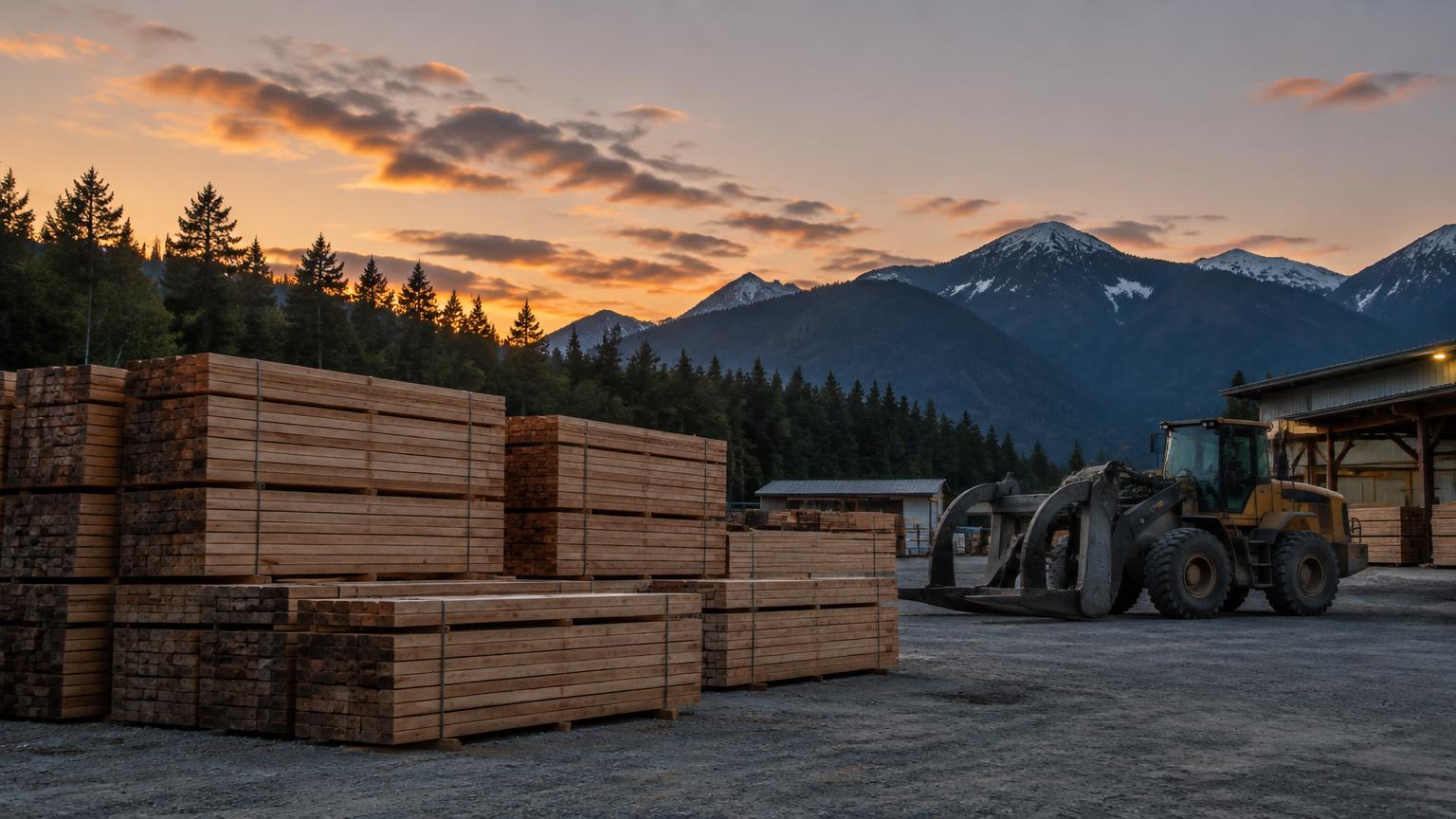 marketsConifex hat ein Bundesdarlehen von bis zu C$30 Millionen und eine Marktkapitalisierung von C$5.1 MillionenConifex Timber Inc. (TSX: CFF) teilte am 18. September 2026 mit, ein Large Enterprise Tariff Loan von bis zu C$30 Millionen der kanadischen Bundesregierung erhalten zu haben, mit siebenjähriger Laufzeit und besichert durch nahezu das gesamte Vermögen. Die Aktie schloss bei C$0.125, ein Plus von 38.9 Prozent. Zum 30. Juni 2026 standen C$1.3 Millionen freier Liquidität C$101.8 Millionen Schulden und ein Hinweis auf die Fortführungsprämisse gegenüber.Marc Belzile · 18. September 2026 · 6 min
 Mining and ResourcesFür Homeland Nickel läuft die Frist der Forstbehörde, doch die Bohrgenehmigung steht noch ausHomeland Nickel Inc. (TSXV: SHL) teilte am 17. September 2026 mit, der United States Forest Service habe seinen Betriebsplan für ein Sonic-Bohrprogramm in Red Flat, Oregon, angenommen, und die Umwelt- und Kulturgüterprüfung sei weit fortgeschritten, einschließlich abgeschlossener Feldarbeiten. Das Unternehmen hofft, im Oktober zu bohren. Dieselbe Mitteilung wurde am selben Tag erneut versandt, weil ihre Offenlegung zur bezahlten Bewerbung ein Videointerview mit dem Vorstandschef eines anderen Unternehmens beschrieb.Daniel Okoye · 18. September 2026 · 8 min
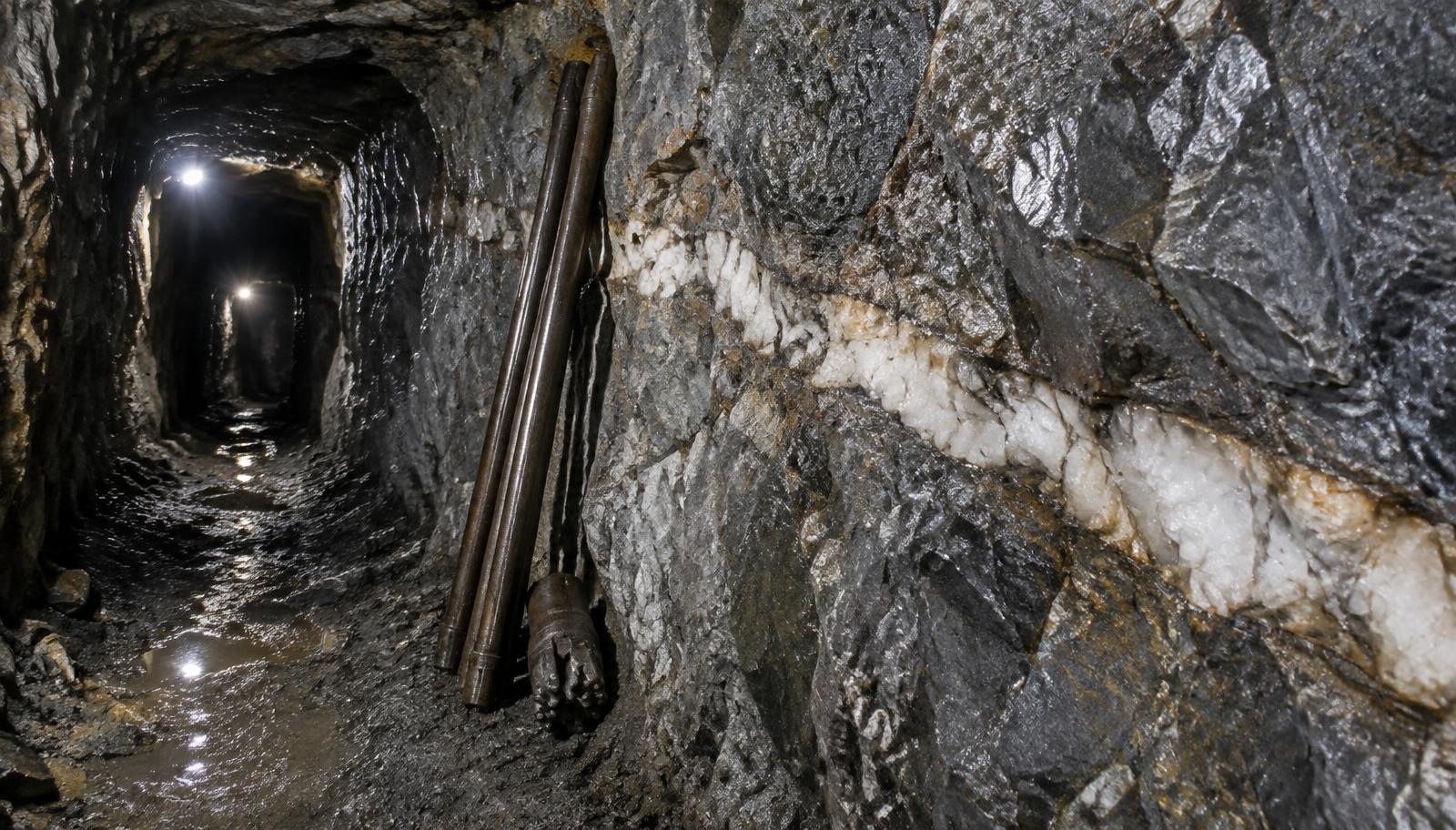 Mining and ResourcesAya Gold and Silver hat in Zgounder 3.501 g/t Silber erbohrt und daraus noch nichts verkauftAya Gold & Silver Inc. (TSX: AYA) meldete am 16. September 2026 hochgradige Silberabschnitte nahe der Grube von Zgounder und in der Tiefe, acht Tage nachdem das Unternehmen den Papierwert seines Projekts Boumadine verdoppelt hatte, und fünfzehn Tage nach der Vereinbarung über den Kauf eines Kupfer-Silber-Konzessionspakets. Die Aktie schloss am 17. September bei C$40,24. Das Unternehmen hält US$182,8 Millionen an Barmitteln, und rund 80 Prozent des Metalls in der Boumadine-Studie liegen in der spekulativsten Ressourcenkategorie, die es gibt.Élise Galarneau · 18. September 2026 · 8 min
Dieser Geschichte folgen
CCO folgen – der nächste Maple-Beitrag zu diesem Unternehmen, dazu der Maple Morning Debrief vor Handelsbeginn.
Folgen und fragen
Mehr von unserer Berichterstattung zu den kanadischen Märkten in Google Top Stories.
Offenlegung
Information only. Not investment advice. The Maple Markets does not hold positions in securities discussed. Lesen Sie den finanziellen Haftungsausschluss.
Quellen und Verweise (2)
Diese Analyse zitieren
Bitte The Maple Markets nennen und auf die Originalseite verlinken.
Marc Belzile (15. Mai 2026). Uranium Term Contracting Picks Up as Utilities Extend Coverage. The Maple Markets. https://themaplemarkets.ca/de/newsroom/uranium-term-contracting-picks-up-as-utilities-extend-coveragehttps://themaplemarkets.ca/de/newsroom/uranium-term-contracting-picks-up-as-utilities-extend-coverage