
Uranium Term Contracting: Why the Spot Price Is the Wrong Number
How the contract book, not the headline price, determines a producer's realised revenue
Uranium headlines quote the spot price. Producers barely sell into it. The realised price comes from a contract book negotiated years earlier, with floors, ceilings and escalators that mute both directions.
By Daniel Okoye3 min read

The uranium spot market is thin. Annual spot volumes are a fraction of global reactor requirements, and much of the activity is traders, financial vehicles and utilities topping up rather than procuring. The price that appears on the chart is a real price for a real but marginal market. Producer revenue comes from somewhere else.
Two markets, two prices
Spot. Delivery within roughly a year. Volumes are modest. Prices move sharply on relatively small orders, which is why financial buyers accumulating physical material can lift spot substantially without any change in reactor demand.
Term. Multi-year contracts, typically three to ten years, negotiated between producers and utilities. This is where the majority of reactor requirements are secured. The published long-term price indicator is an assessment of what a new contract would price at today — not a traded market price.
Utilities buy fuel the way they buy insurance. Running out is catastrophic and the fuel cost is a small share of the cost of generating nuclear power, so procurement is driven by security of supply rather than price optimisation. That asymmetry is the structural reason term contracting dominates.
Contract mechanisms
Term contracts are rarely simple fixed prices. The common structures:
- Base-escalated. A fixed base price agreed at signing, escalated forward by an inflation index. Predictable; disconnected from market price entirely.
- Market-related with floor and ceiling. Priced off the spot or term indicator at delivery, but constrained. If spot is below the floor, the producer receives the floor. If spot is above the ceiling, the producer receives the ceiling.
- Hybrid. A portion of volume under each mechanism.
The floor-and-ceiling structure is the single most important thing to understand about uranium equities. It means a producer's realised price is a compressed, lagged version of the market price.
Illustrative worked example. A producer has 30M lbs of committed deliveries. Assume 40% is base-escalated at US$52/lb, and 60% is market-related with a US$60 floor and a US$95 ceiling. If spot sits at US$110, the market-related volume realises the US$95 ceiling, not US$110. Blended realised price is (0.4 × 52) + (0.6 × 95) = US$77.80/lb. The spot chart shows US$110; the income statement shows US$77.80. Both are correct.
Now assume spot collapses to US$45. The market-related volume realises the US$60 floor. Blended realised price is (0.4 × 52) + (0.6 × 60) = US$56.80. The producer's earnings fall far less than the spot chart implies. The same structure that caps the upside defends the downside.
Reading a contract book
Producers disclose the shape, if not every term, of their commitments:
- Committed volumes by year, usually for the next five years. This tells you how much of near-term production is already spoken for.
- Average realised price achieved, disclosed quarterly. Track it against the spot and term indicators to infer how the book is constructed.
- The proportion market-related versus fixed, described qualitatively in the MD&A.
- Purchase commitments. Producers sometimes buy material in the market to fulfil contracts when their own production falls short. In a rising spot market, this is a real negative margin exposure and it is disclosed.
That last point is the trap in uranium equities. A producer that has oversold relative to production must buy the shortfall at spot to deliver against contracts struck years earlier. A rising spot price can therefore reduce margin at a producer with an unbalanced book — the opposite of the intuitive relationship.
The signal that matters
If spot is the wrong number, what is the right one? The rate of new term contracting. Utilities contract in cycles, and a period of heavy replacement-rate contracting — where annual term volumes exceed annual reactor requirements — indicates utilities rebuilding coverage. That is when producers can sign contracts at higher floors and higher ceilings, which resets the book for years.
Published annual term contracting volumes are the closest thing to a fundamental demand signal in this market. They move slowly, they are not exciting, and they explain far more of producer earnings than the spot price ever will.
Weiterlesen
Also in English: Uranium Term Contracting: Why the Spot Price Is the Wrong Number
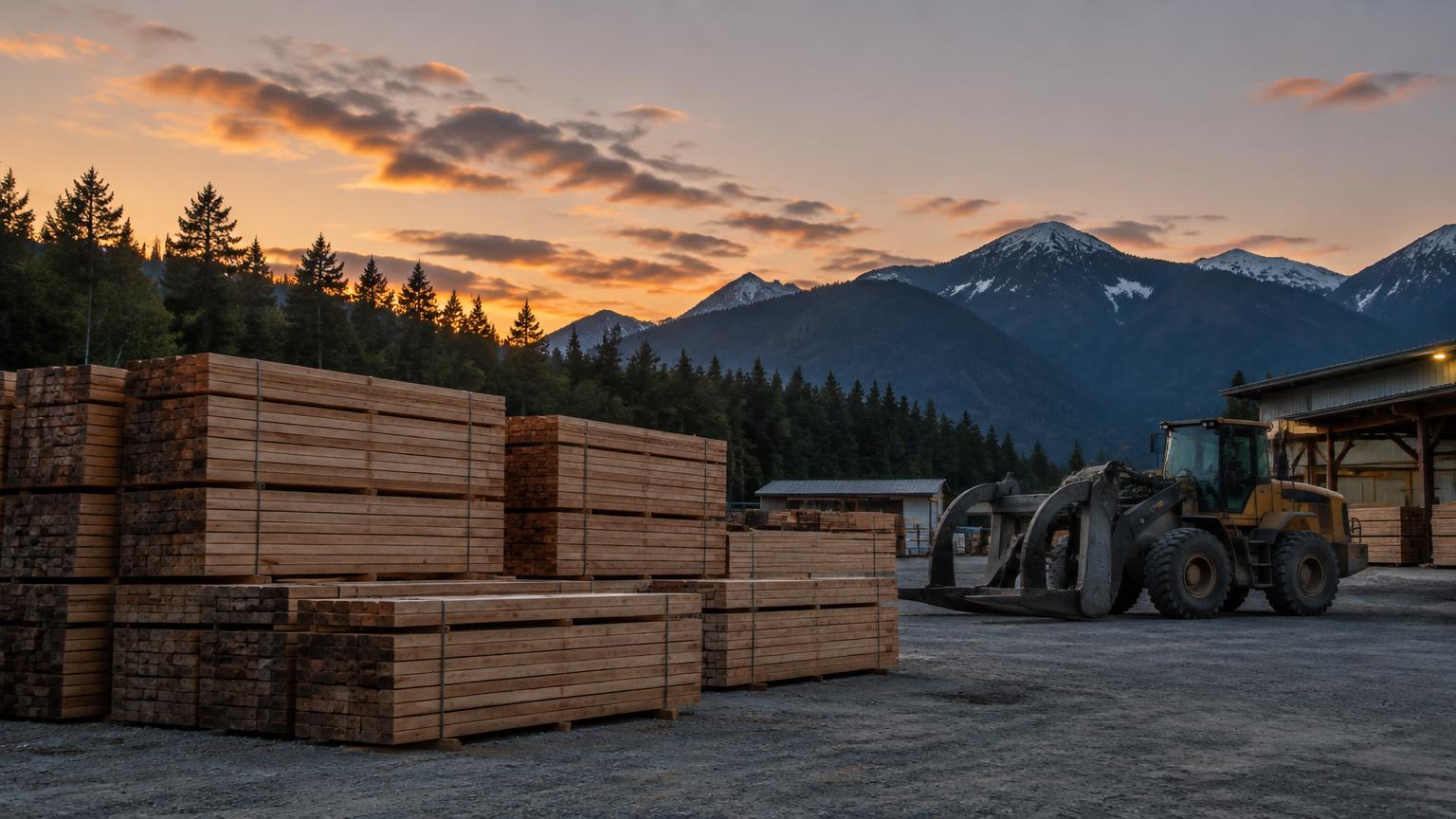 marketsConifex hat ein Bundesdarlehen von bis zu C$30 Millionen und eine Marktkapitalisierung von C$5.1 MillionenConifex Timber Inc. (TSX: CFF) teilte am 18. September 2026 mit, ein Large Enterprise Tariff Loan von bis zu C$30 Millionen der kanadischen Bundesregierung erhalten zu haben, mit siebenjähriger Laufzeit und besichert durch nahezu das gesamte Vermögen. Die Aktie schloss bei C$0.125, ein Plus von 38.9 Prozent. Zum 30. Juni 2026 standen C$1.3 Millionen freier Liquidität C$101.8 Millionen Schulden und ein Hinweis auf die Fortführungsprämisse gegenüber.Marc Belzile · 18. September 2026 · 6 min
 Mining and ResourcesFür Homeland Nickel läuft die Frist der Forstbehörde, doch die Bohrgenehmigung steht noch ausHomeland Nickel Inc. (TSXV: SHL) teilte am 17. September 2026 mit, der United States Forest Service habe seinen Betriebsplan für ein Sonic-Bohrprogramm in Red Flat, Oregon, angenommen, und die Umwelt- und Kulturgüterprüfung sei weit fortgeschritten, einschließlich abgeschlossener Feldarbeiten. Das Unternehmen hofft, im Oktober zu bohren. Dieselbe Mitteilung wurde am selben Tag erneut versandt, weil ihre Offenlegung zur bezahlten Bewerbung ein Videointerview mit dem Vorstandschef eines anderen Unternehmens beschrieb.Daniel Okoye · 18. September 2026 · 8 min
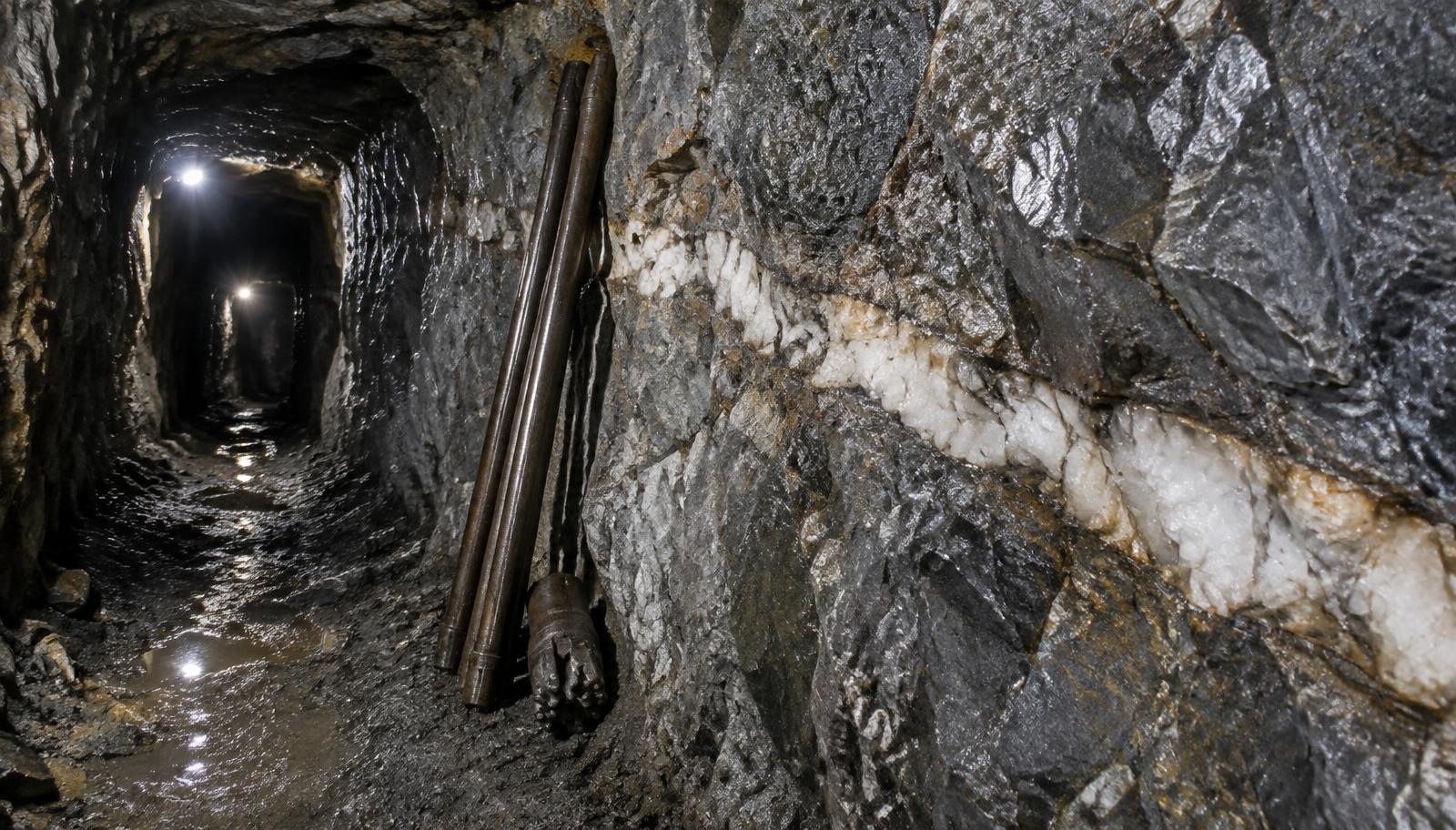 Mining and ResourcesAya Gold and Silver hat in Zgounder 3.501 g/t Silber erbohrt und daraus noch nichts verkauftAya Gold & Silver Inc. (TSX: AYA) meldete am 16. September 2026 hochgradige Silberabschnitte nahe der Grube von Zgounder und in der Tiefe, acht Tage nachdem das Unternehmen den Papierwert seines Projekts Boumadine verdoppelt hatte, und fünfzehn Tage nach der Vereinbarung über den Kauf eines Kupfer-Silber-Konzessionspakets. Die Aktie schloss am 17. September bei C$40,24. Das Unternehmen hält US$182,8 Millionen an Barmitteln, und rund 80 Prozent des Metalls in der Boumadine-Studie liegen in der spekulativsten Ressourcenkategorie, die es gibt.Élise Galarneau · 18. September 2026 · 8 min
Dieser Geschichte folgen
CCO, NXE folgen – der nächste Maple-Beitrag zu diesen Unternehmen, dazu der Maple Morning Debrief vor Handelsbeginn.
Folgen und fragen
Mehr von unserer Berichterstattung zu den kanadischen Märkten in Google Top Stories.
Offenlegung
As of the publication date, the author, editor, publisher, their immediate households and affiliated entities do not own positions in the securities discussed. The Maple Markets received no compensation from any company, its officers, investor-relations providers or financiers in connection with this article. Figures are drawn from public filings as of the date shown and are not restated for later disclosure. Worked examples labelled illustrative use assumed inputs to show a method, not a forecast. This article is informational only and is not investment, legal, accounting or tax advice. Lesen Sie den finanziellen Haftungsausschluss.
Quellen und Verweise (4)
- Cameco investor materials
- UxC / Cameco published uranium price indicators
- SEDAR+ issuer filings
- World Nuclear Association
Diese Analyse zitieren
Bitte The Maple Markets nennen und auf die Originalseite verlinken.
Daniel Okoye (26. August 2026). Uranium Term Contracting: Why the Spot Price Is the Wrong Number. The Maple Markets. https://themaplemarkets.ca/de/newsroom/uranium-term-contracting-versus-spot-cameco-bookhttps://themaplemarkets.ca/de/newsroom/uranium-term-contracting-versus-spot-cameco-book