
The Maple Markets

News

The latest Canadian and global market news from The Maple Markets: economy, mining, energy, technology, real estate and policy coverage for investors.

Latest

EnergyUranium

Uranium Term Contracting Picks Up as Utilities Extend Coverage

Uranium term-contracting volumes are rising as utilities extend coverage further out, a shift that matters more to producer revenue than the widely quoted spot price. The piece explains the term-versus-spot dynamic, the slow supply response, and how to read a producer's contracted position.

Von Marc Belzile3 min LesezeitCCO

EnergyPricing

What the WCS Differential Actually Costs Canada

The discount on Western Canadian Select splits into a stable quality component and a volatile transport component driven by pipeline and rail capacity. Knowing which one is moving in a given quarter is key to reading heavy-oil producer earnings and forecasting when realizations might recover.

Von Marc Belzile4 min Lesezeit

BusinessAsset management

Brookfield's Fee-Related Earnings Are the Signal Worth Tracking

Brookfield's headline distributable earnings blend two very different income streams: recurring fee-related earnings and lumpy carried interest. This piece explains why separating them, and watching committed capital, is the better way to read the business.

Von Hannah Kuan3 min LesezeitBN

Mining and ResourcesRoyalties

Wheaton Precious Metals and the Streaming Model, Explained

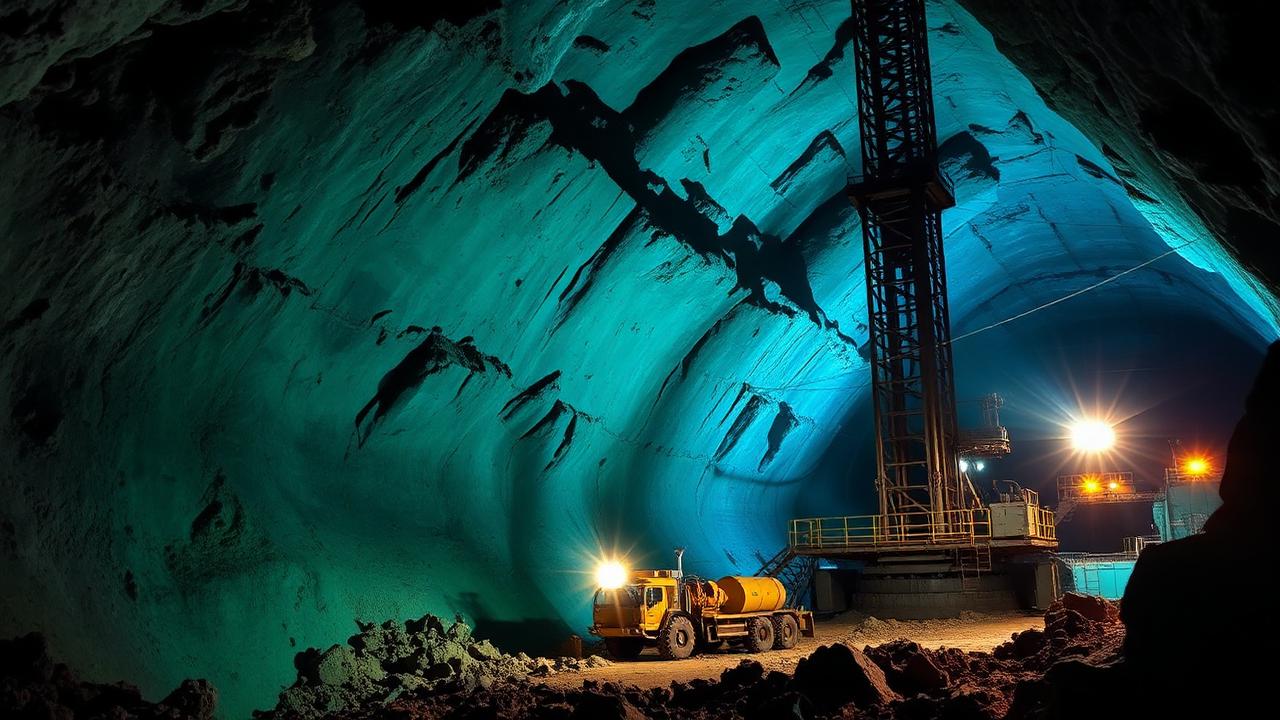
Wheaton Precious Metals buys future mine production at a fixed price instead of operating mines itself, trading operating-cost exposure for counterparty and asset-quality risk. That structural swap explains its cash-flow margins, its valuation premium over producers, and why portfolio diversification matters so much to how the risk actually plays out.

Von Daniel Okoye4 min LesezeitWPM

Real EstateHousing

Canada's Housing Starts Data Is Telling Two Different Stories

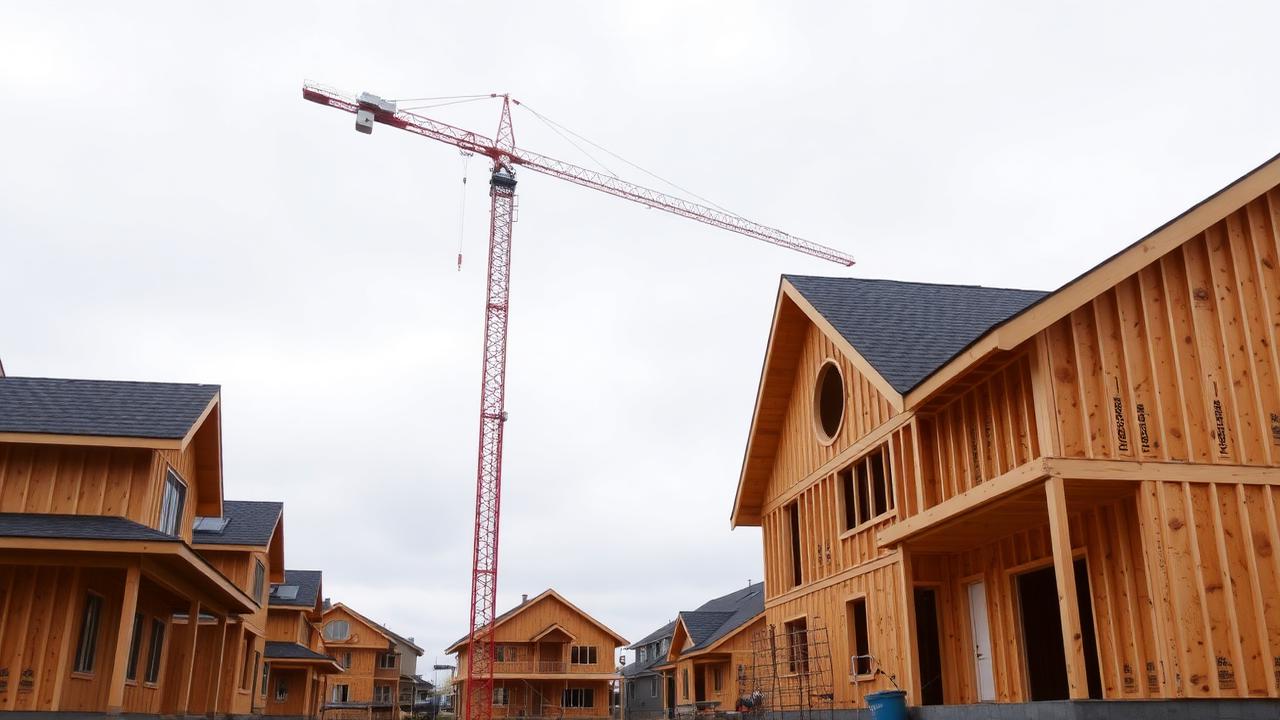
A steady national housing-starts headline is masking a sharp split between resilient multi-unit construction and falling single-family building. This piece explains the financing mechanics behind the divergence and why materials investors should track the mix, not the total.

Von Marc Belzile3 min Lesezeit

EnergyIntegrated

Suncor's Refining Margins Are Carrying the Quarter

Suncor's latest results show the integrated producer model working as intended, with downstream margins offsetting a weaker upstream quarter. This piece explains the natural-hedge mechanism, why utilisation and turnaround timing determine whether it holds, and where the offset has real limits.

Von Marc Belzile4 min LesezeitSU

Canadian MarketsCurrencies

The Loonie, the Differential and Why CAD/USD Stopped Tracking Oil

The long-assumed link between crude prices and the Canadian dollar has weakened as energy's share of the economy has shrunk and interest-rate differentials have taken over as the dominant driver. This piece explains the rate-differential mechanism now doing most of the work and what that means for how Canadian investors should think about currency exposure.

Von Élise Galarneau3 min Lesezeit

Mining and ResourcesGold

Barrick Mining: What the Reserve Replacement Numbers Actually Show

Barrick's flat headline reserve figure conceals a modest decline in grade at several large open pits and a rising share of reserves in jurisdictions with renegotiated fiscal terms. Both factors bear directly on future unit costs and the capital allocation choices management faces this year.

Von Daniel Okoye4 min LesezeitABX

Canadian MarketsIndex analysis

Why the TSX Composite Keeps Outrunning the S&P 500 This Year

The TSX Composite's outperformance against the S&P 500 this year traces almost entirely to sector composition: heavy materials and energy weighting has caught a commodity upswing, while steady bank earnings add a quieter, more durable layer of return. The same concentration that is helping now is what caused years of underperformance during the US technology-led rally.

Von Hannah Kuan3 min Lesezeit

EconomyMonetary policy

Bank of Canada Holds at 2.75% and Signals a Longer Pause

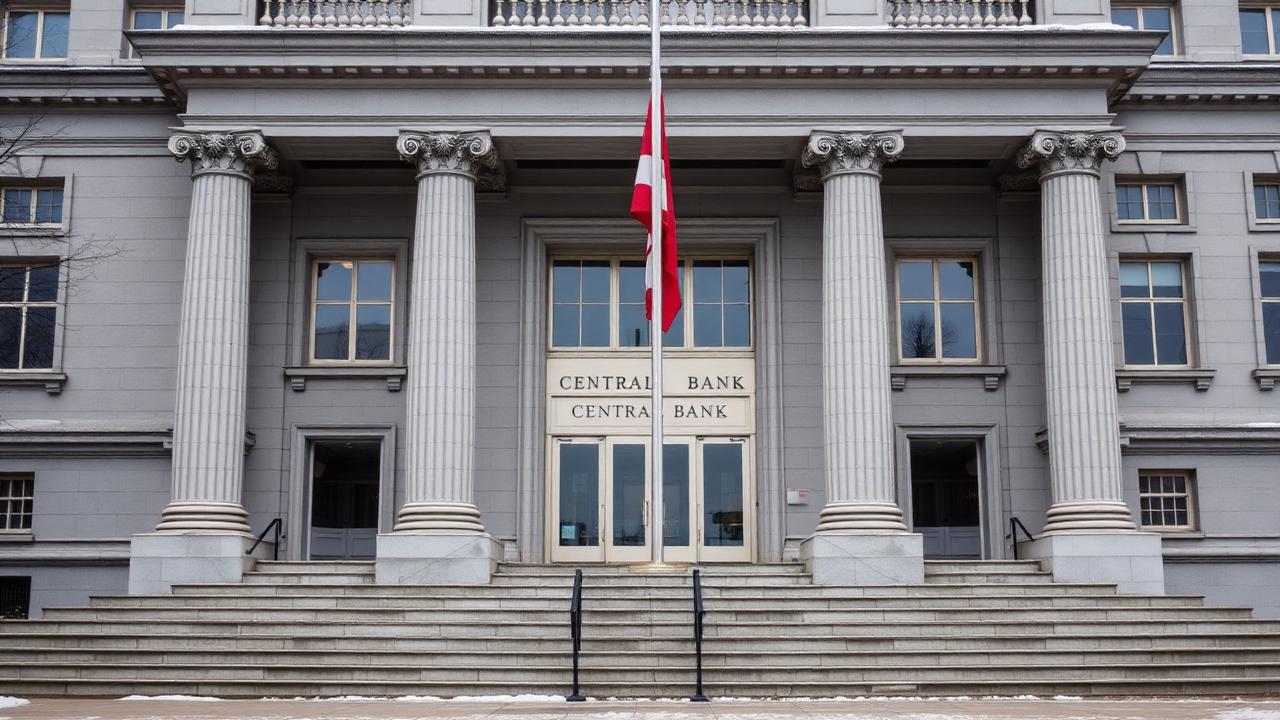
The Bank of Canada held its policy rate at 2.75 per cent for a third straight meeting and dropped language markets had read as an easing bias, a more hawkish signal than the unchanged rate suggests. Bond yields, the loonie and rate-sensitive equity sectors all moved on the guidance shift rather than the rate itself.

Von Élise Galarneau4 min Lesezeit

Maple Morning Debrief

Die wichtigsten kanadischen und globalen Marktnachrichten, verständlich erklärt, vor dem Handelsstart.

Abonnieren

Wir verwenden notwendige Cookies für den Betrieb der Website und – nur mit Ihrer Zustimmung – Analyse-Cookies, um zu verstehen, was unsere Leserinnen und Leser nutzen. Cookie-Richtlinie