
Stella-Jones, Infrastructure Spending and the Utility Pole Cycle
Stella-Jones sits at the intersection of grid hardening, rail capital cycles and housing activity, but its three segments respond to very different drivers. This piece breaks down why utility poles are the stable core, why railway ties add the cyclicality, and why the residential segment is the wildcard investors should watch separately.
By Hannah Kuan3 min readTranslation: human
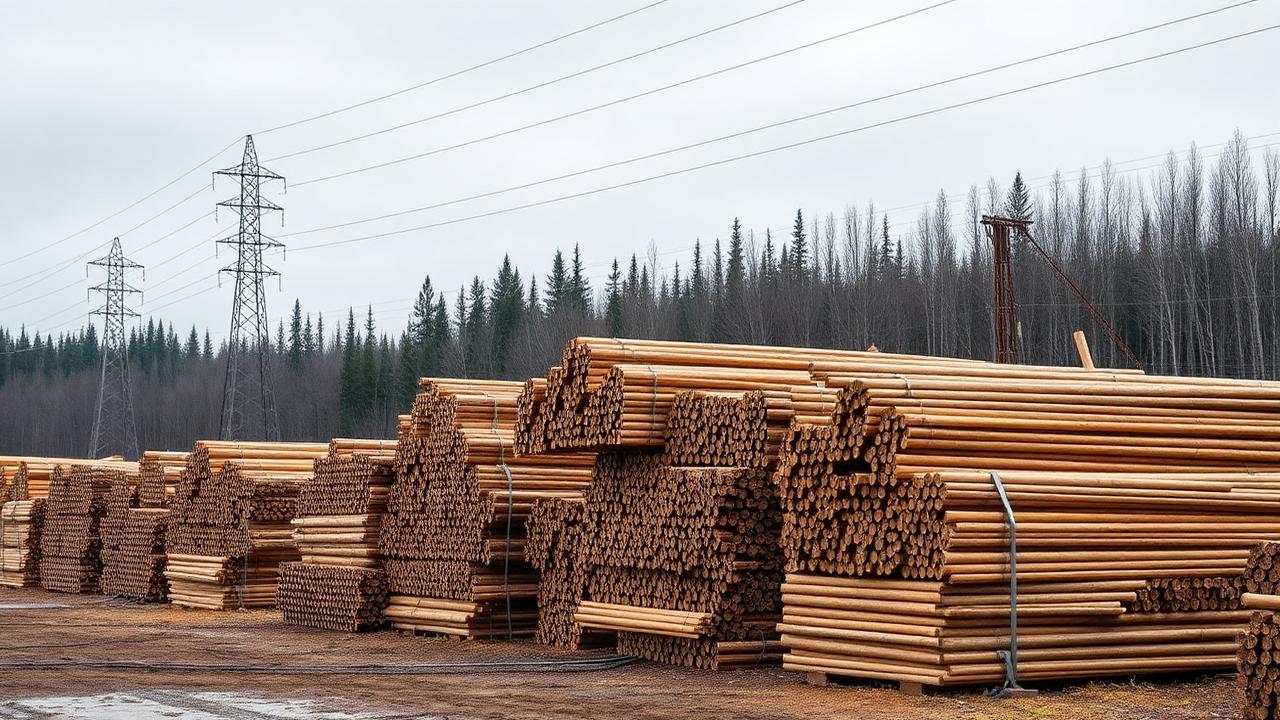
Stable segment
Utility poles
Maintenance driven
Cyclical segment
Railway ties
Freight linked
Volatile segment
Residential lumber
Being de-emphasised
Stella-Jones manufactures pressure-treated wood products — utility poles, railway ties and residential lumber — which places it directly in the path of North American grid and rail investment. The business is less exciting than the infrastructure narrative around it, and that is the point: it sells maintenance, not novelty.
Why poles are a good business
Utility poles are replaced on a maintenance cycle regardless of the economy, and grid hardening against extreme weather has increased replacement rates. A pole that fails in a storm is a liability and a reliability problem for the utility that owns it, which makes replacement a scheduled, budgeted expense rather than a discretionary one. Freight costs relative to product value limit competition to regional suppliers, which supports pricing. A treated pole is heavy, low-value-per-tonne, and expensive to ship long distances, so plants effectively serve a regional catchment. That geographic moat is the reason margins in this segment have historically been more stable than the group headline suggests.
The railway tie cycle
Class I railroad capital budgets drive tie demand and move with freight volumes. When freight volumes soften, railroads can defer non-safety-critical tie replacement for a period without immediate consequence, which makes this segment more discretionary than utility poles on a multi-quarter view. This segment is more cyclical than utility poles and introduces most of the variance in results. Investors trying to read a quarter should separate the two: a soft print driven by rail timing is a different signal than one driven by weakening pole demand, and the two segments do not always move together.
Residential lumber is the wildcard
The residential segment tracks housing activity and lumber prices, both volatile. Housing starts and renovation spending are cyclical in a way the utility and rail businesses are not, and lumber commodity pricing adds a second layer of variability that has nothing to do with underlying demand. Management has been reducing its relative weight, which if sustained makes the overall business more predictable. A smaller residential segment means quarterly results should increasingly reflect the two more stable, contracted-style businesses rather than a commodity-lumber swing factor.
How to read segment disclosure
Because the three businesses respond to different drivers on different timelines, the useful exercise is to track segment revenue and margin separately rather than relying on the consolidated top line. A consolidated beat or miss can mask an offsetting move — strong pole demand covering a soft tie quarter, for instance — and investors who only watch the headline number risk misreading the trend in any one segment. Currency also matters here: a meaningful share of revenue is generated in US dollars, so reported results carry a translation effect that is separate from underlying volume and pricing.
Capital allocation and pricing power
Because much of the demand is non-discretionary, the company has historically had more latitude to pass through input cost inflation, particularly for treated wood chemicals and the underlying timber, than a purely consumer-facing lumber business would. That pricing power is worth distinguishing from volume growth: a period of flat volumes with rising price realisation is a different, and generally more durable, story than one where growth is coming entirely from price.
What to watch
Track segment-level revenue and margin for utility poles, railway ties and residential/other, rather than the consolidated figures alone. Watch Class I railroad capital expenditure guidance as a leading indicator for the tie business, and lumber price trends alongside US housing starts for the residential segment. Monitor the stated mix shift away from residential lumber over successive quarters, and note the US-dollar share of revenue when assessing currency effects on reported growth.
Why the business model resists disruption
There is no obvious substitute technology threatening treated wood poles or ties at scale. Composite and steel alternatives exist for both applications, but they carry a cost premium that has kept wood the default choice for the bulk of new installation and replacement work. That gives the incumbent treating infrastructure — the network of plants and the supply relationships with utilities and railroads — a durability that is easy to overlook because the product itself is unglamorous. Barriers to entry are less about patents than about the capital cost of building competing regional treating capacity and the multi-year process of qualifying as an approved supplier to utilities and Class I railroads, both of which favour the incumbent.
Weiterlesen
Also in English: Stella-Jones, Infrastructure Spending and the Utility Pole Cycle
 EconomyVier in Kanada notierte Unternehmen meldeten diese Woche Staatsgeld, und keiner der Beträge war BargeldZwischen dem 15. und dem 18. September 2026 meldeten Conifex Timber, Global Atomic, First Phosphate und Bitterroot Resources jeweils, dass eine Regierung Geld hinter sie gestellt hat: bis zu C$30 Millionen, US$414.2 Millionen, US$212.5 Millionen und bis zu US$5.22 Millionen. Vier Meldungen, vier Instrumente, und keines davon ist eine Überweisung. Was ein Darlehensvertrag, eine bedingte Zusage, eine Exportkredit-Unterstützungserklärung und eine Kostenteilungszusage jeweils verpflichten, und was zutreffen muss, bevor das Geld ankommt.Marc Belzile · 19. September 2026 · 10 min
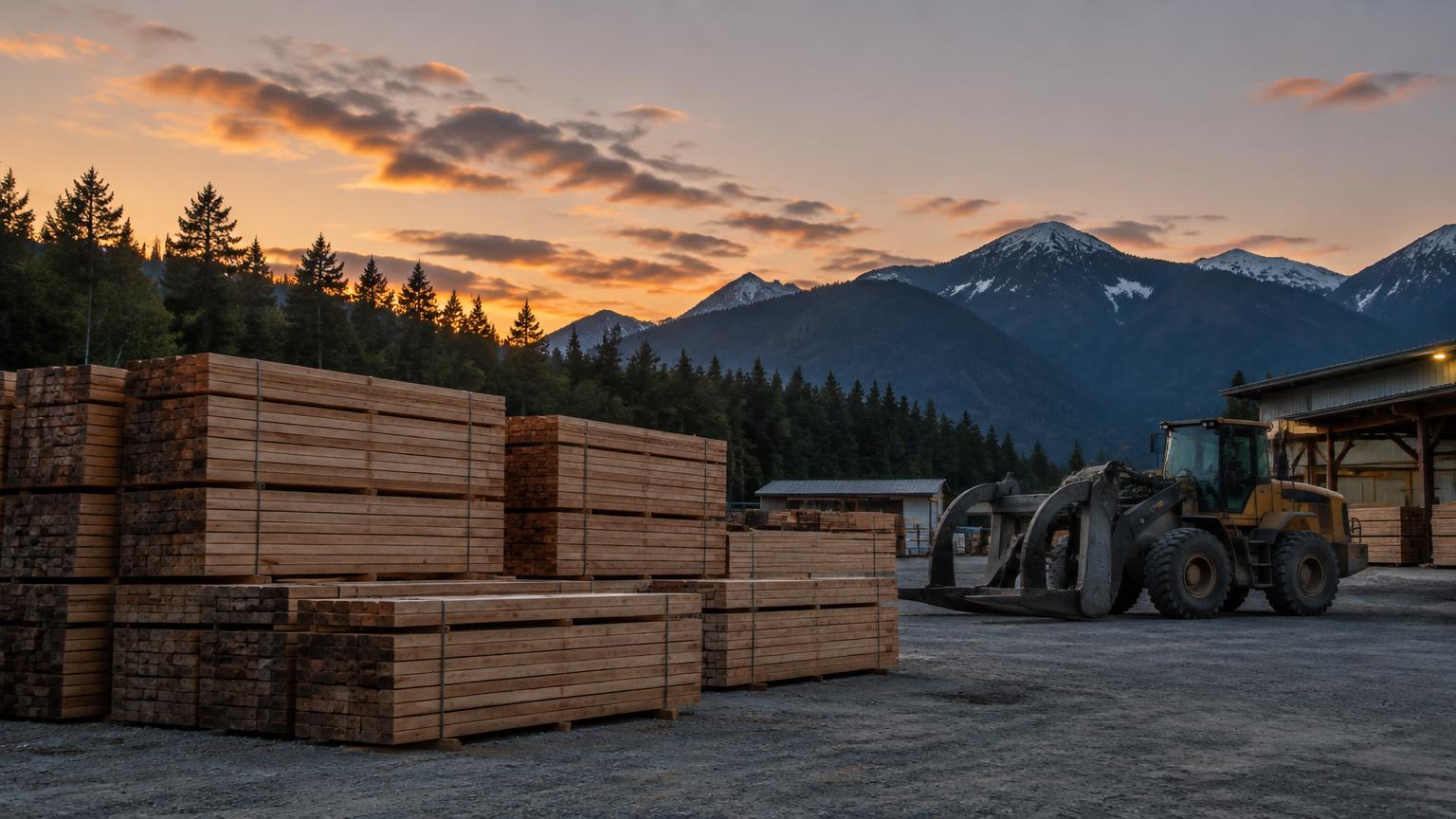 marketsConifex hat ein Bundesdarlehen von bis zu C$30 Millionen und eine Marktkapitalisierung von C$5.1 MillionenConifex Timber Inc. (TSX: CFF) teilte am 18. September 2026 mit, ein Large Enterprise Tariff Loan von bis zu C$30 Millionen der kanadischen Bundesregierung erhalten zu haben, mit siebenjähriger Laufzeit und besichert durch nahezu das gesamte Vermögen. Die Aktie schloss bei C$0.125, ein Plus von 38.9 Prozent. Zum 30. Juni 2026 standen C$1.3 Millionen freier Liquidität C$101.8 Millionen Schulden und ein Hinweis auf die Fortführungsprämisse gegenüber.Marc Belzile · 18. September 2026 · 6 min
 Mining and ResourcesFür Homeland Nickel läuft die Frist der Forstbehörde, doch die Bohrgenehmigung steht noch ausHomeland Nickel Inc. (TSXV: SHL) teilte am 17. September 2026 mit, der United States Forest Service habe seinen Betriebsplan für ein Sonic-Bohrprogramm in Red Flat, Oregon, angenommen, und die Umwelt- und Kulturgüterprüfung sei weit fortgeschritten, einschließlich abgeschlossener Feldarbeiten. Das Unternehmen hofft, im Oktober zu bohren. Dieselbe Mitteilung wurde am selben Tag erneut versandt, weil ihre Offenlegung zur bezahlten Bewerbung ein Videointerview mit dem Vorstandschef eines anderen Unternehmens beschrieb.Daniel Okoye · 18. September 2026 · 8 min
Dieser Geschichte folgen
SJ folgen – der nächste Maple-Beitrag zu diesem Unternehmen, dazu der Maple Morning Debrief vor Handelsbeginn.
Folgen und fragen
Mehr von unserer Berichterstattung zu den kanadischen Märkten in Google Top Stories.
Offenlegung
Information only. Not investment advice. The Maple Markets does not hold positions in securities discussed. Lesen Sie den finanziellen Haftungsausschluss.
Quellen und Verweise (2)
Diese Analyse zitieren
Bitte The Maple Markets nennen und auf die Originalseite verlinken.
Hannah Kuan (22. Juli 2026). Stella-Jones, Infrastructure Spending and the Utility Pole Cycle. The Maple Markets. https://themaplemarkets.ca/de/newsroom/stella-jones-infrastructure-spending-and-the-utility-pole-cyclehttps://themaplemarkets.ca/de/newsroom/stella-jones-infrastructure-spending-and-the-utility-pole-cycle