
Kinross Gold: Cash Returns, Great Bear and the Next Growth Cycle
Kinross has become a cash-return story
Kinross trades on the TSX as K and on the NYSE as KGC. Its principal producing assets include Tasiast in Mauritania, Paracatu in Brazil, Fort Knox and Manh Choh in Alaska, and Round Mountain and Bald Mountain in Nevada. Its development portfolio includes Great Bear in Ontario, Curlew in Washington and Lobo-Marte in Chile. In Q2 2026, Kinross produced approximately 492,000 gold-equivalent ounces, generated US$2.24 billion in revenue and US$726.8 million in free cash flow, and ended the quarter with US$2.7 billion of cash and US$1.9 billion of net cash.
By Daniel Okoye2 min read
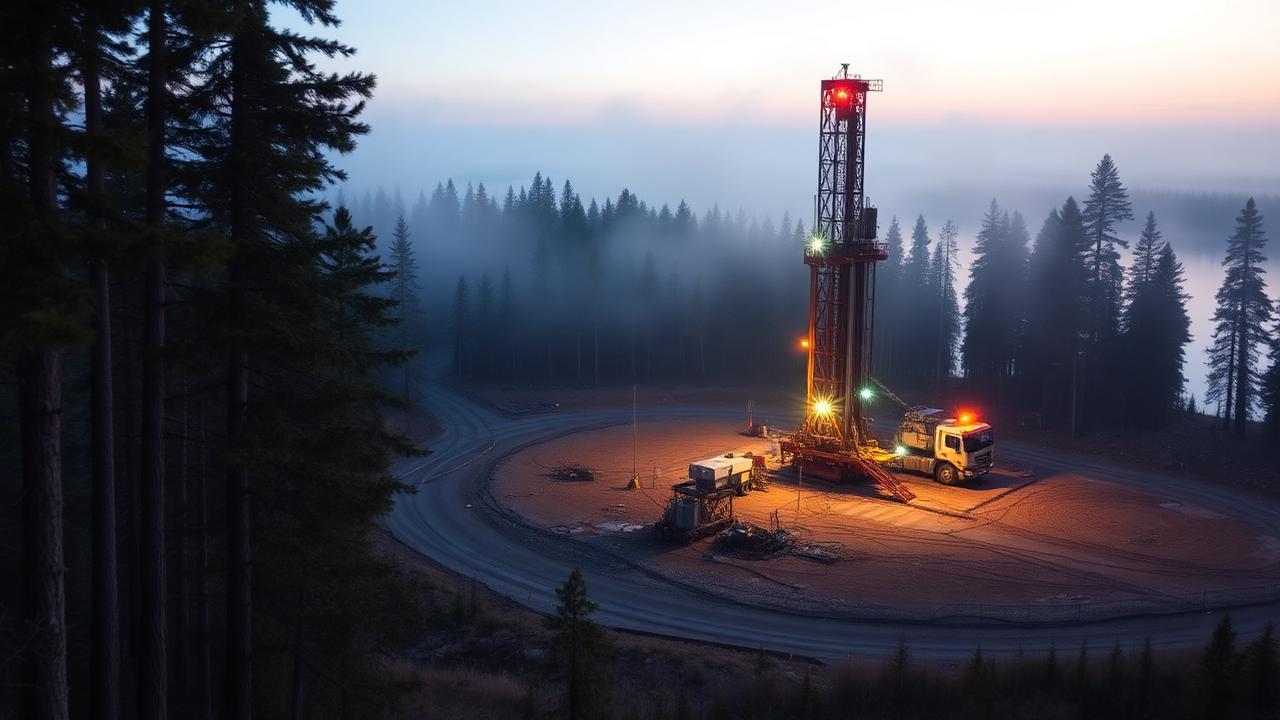
Kinross Gold has historically been viewed as a geographically diversified gold producer with more political and operating risk than Canada-focused peers. Its 2026 results, however, increasingly frame the company as a free-cash-flow and shareholder-return story.
The producing portfolio is anchored by Tasiast in Mauritania and Paracatu in Brazil, supported by mines in Alaska and Nevada. Tasiast has become one of the company’s highest-margin operations, while Paracatu has benefited from processing improvements and strong recoveries. Kinross also owns the Great Bear project in Ontario, which could become an important future source of production in a lower-risk jurisdiction.
Financial position
For the second quarter of 2026, Kinross reported revenue of US$2.24 billion, operating cash flow of US$1.15 billion and free cash flow of US$726.8 million. Cash reached US$2.7 billion, net cash was approximately US$1.9 billion, and available liquidity was about US$4.4 billion. The company also said it had no scheduled debt maturities until 2033.
This balance-sheet position supports dividends, repurchases and project investment. Management returned more than US$275 million through dividends and buybacks during the quarter and reiterated its intention to return approximately 40% of annual free cash flow in 2026.
The Great Bear option
Great Bear offers exposure to a high-grade Ontario gold system with both open-pit and underground potential. Kinross has described a conceptual operation capable of producing more than 500,000 ounces annually during its early years, although those figures remain based on project studies rather than an operating record.
Risks to watch
Kinross remains exposed to Mauritanian fiscal and political risk, Brazilian permitting and currency movements, U.S. mine-life replacement, cost inflation and gold prices. Great Bear must still progress through engineering, permitting, construction and commissioning. Environmental issues include water use, waste-rock and tailings management, closure liabilities and community impacts.
Bottom line
Kinross combines strong near-term cash generation with a potentially significant Canadian development project. The central question is whether management can preserve financial discipline while replacing production and advancing Great Bear.
Comparable companies
Agnico Eagle, Barrick Mining and B2Gold.
Disclosure
As of the publication date, the author, editor, publisher, their immediate households and affiliated entities do not own positions in the securities discussed. The Maple Markets received no compensation from the company, its officers, investor-relations providers or financiers in connection with this article. The company was given an opportunity to identify factual errors and had no right to approve the analysis or conclusions. This article is informational only and is not investment, legal, accounting or tax advice. Mining securities are volatile and may result in a total loss of capital.
Read next
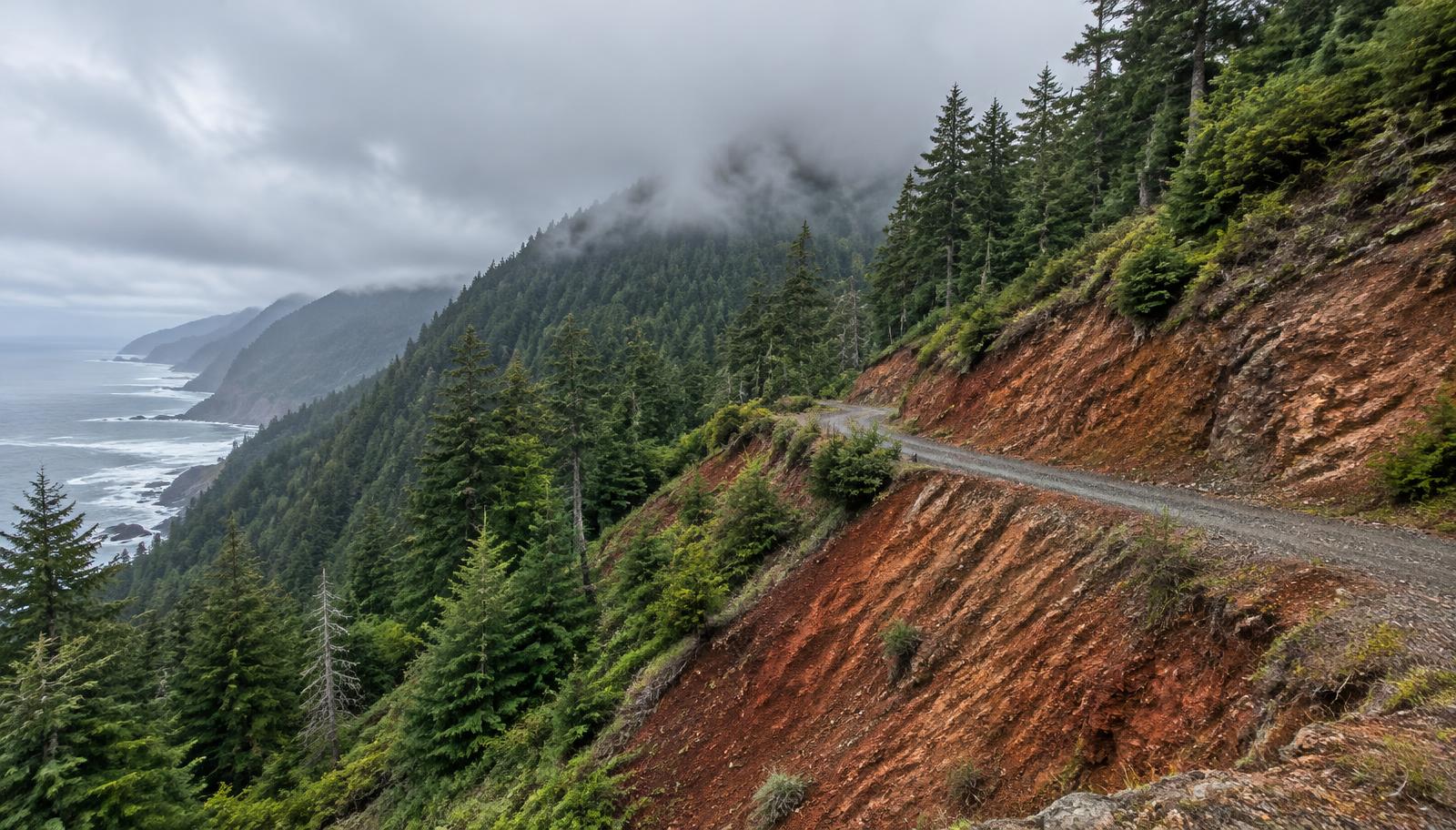 Mining and ResourcesHomeland Nickel: A Binding Offtake With Two ConditionsHomeland Nickel Inc. (TSXV: SHL) signed a binding offtake agreement with Westwin Elements on 2026-10-01 covering about 20,000 tonnes of nickel concentrate a year from its Red Flat property in Oregon. The agreement is conditional on an updated mineral resource estimate and a preliminary economic assessment the company expects in the first half of 2027. Homeland has no current mineral resource on any of its Oregon ground, and held about C$2.39 million of cash at its most recent reported balance sheet date.Priya Sandhu · October 15, 2026 · 7 min
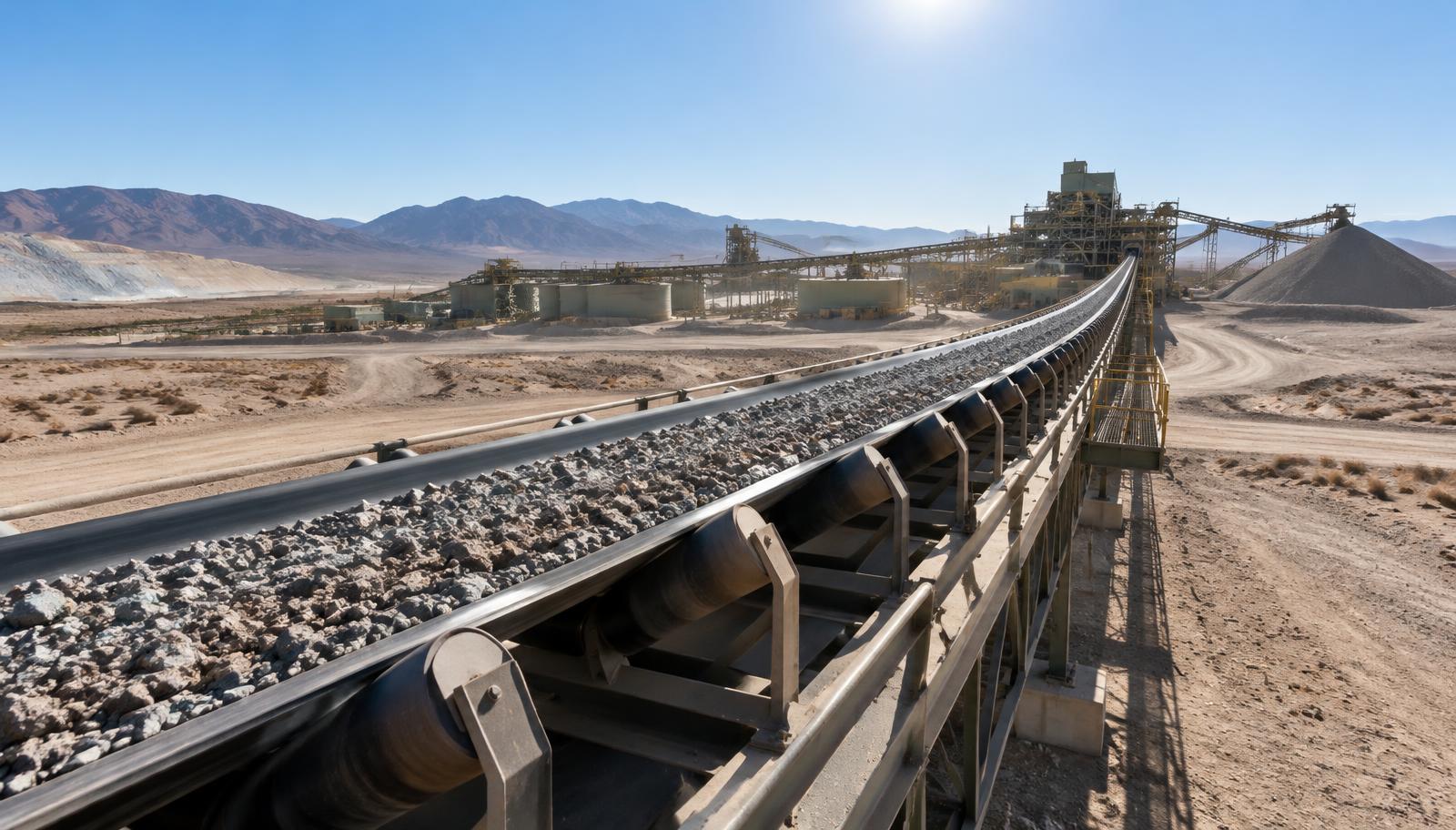 Mining and ResourcesDid Anything at Ivanhoe Mines Explain a 6% Drop?Ivanhoe Mines Ltd. (TSX: IVN) closed at C$10.48 on 2026-10-14, down 6.4 per cent, on volume slightly below its average and with nothing published by the company that day. Its last release, on 2026-10-08, reported record quarterly copper and zinc output. A C$14.95 billion company moving 6 per cent on no disclosure is a setup question rather than a news story, and the next dated company item is Q3 financial results on 2026-11-03.Élise Galarneau · October 15, 2026 · 7 min
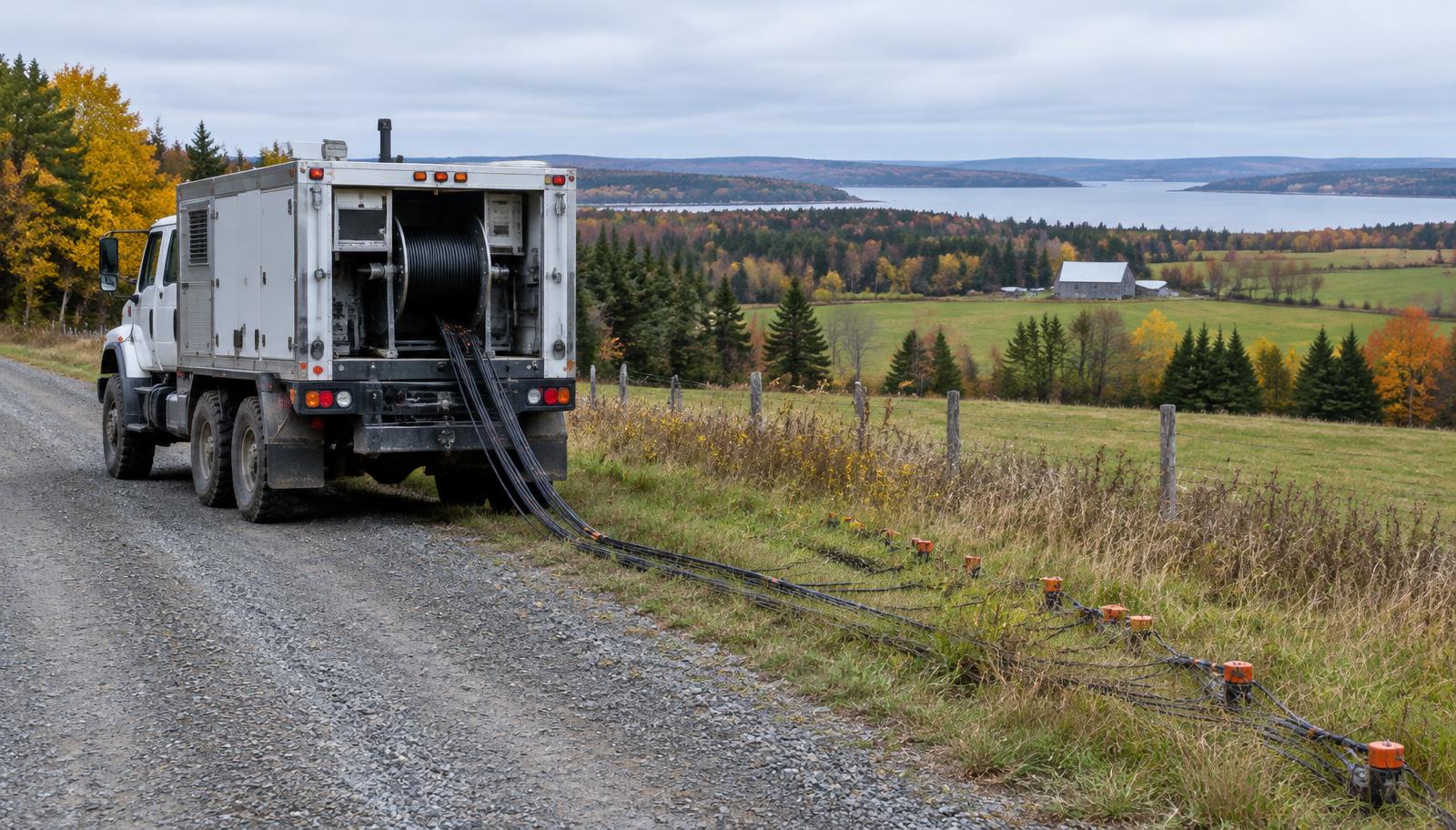 Mining and ResourcesQIMC Completes a 63.7-Kilometre Seismic Survey in Nova ScotiaQuebec Innovative Materials Corp. (CSE: QIMC) said on 14 October 2026 that it had finished acquiring 63.7 line-kilometres of 2D seismic across its Cumberland County ground in Nova Scotia, 13.7 kilometres more than planned, and the data is already with a Calgary processor. The programme was delivered ahead of plan on ground where free gas has already reached surface once, with a treasury of about C$14.84 million against liabilities of about C$1.92 million.Élise Galarneau · October 15, 2026 · 8 min
Follow this story
Follow K — the next Maple piece on this company, plus the Maple Morning Debrief before the open.
Follow and ask
Get more of our Canadian market coverage in Google Top Stories.
Sources and references (2)
Cite this analysis
Please attribute The Maple Markets and link to the original page.
Daniel Okoye (August 5, 2026). Kinross Gold: Cash Returns, Great Bear and the Next Growth Cycle. The Maple Markets. https://themaplemarkets.ca/en/newsroom/kinross-gold-cash-returns-great-bear-and-the-next-growth-cyclehttps://themaplemarkets.ca/en/newsroom/kinross-gold-cash-returns-great-bear-and-the-next-growth-cycle