The Maple Markets

Economy

Bank of Canada policy, inflation, employment and the Canadian dollar.

Economy — latest

OpinionEconomy

Four of the Worst Falls on the Toronto Exchange This Week Were Funds, and Three Held One Stock

On September 9, 2026 four of the ten largest declines on the Toronto exchange were exchange-traded funds. Three of them hold nothing but Shopify, and they fell 27.83, 14.97 and 14.90 per cent respectively on the same day, against the same company. A fourth, a target-maturity bond fund, had printed a 38.59 per cent gain five sessions earlier on 2,000 units and gave all of it back. Here is what each of those numbers was actually measuring, and where the manager publishes the figure that is not a quote.

By Marc Belzile7 min readRUQO.TOSHPE.TO

OpinionEconomy

Why a Canadian Explorer Can Sell New Shares Above Its Own Market Price, and Who Pays for That

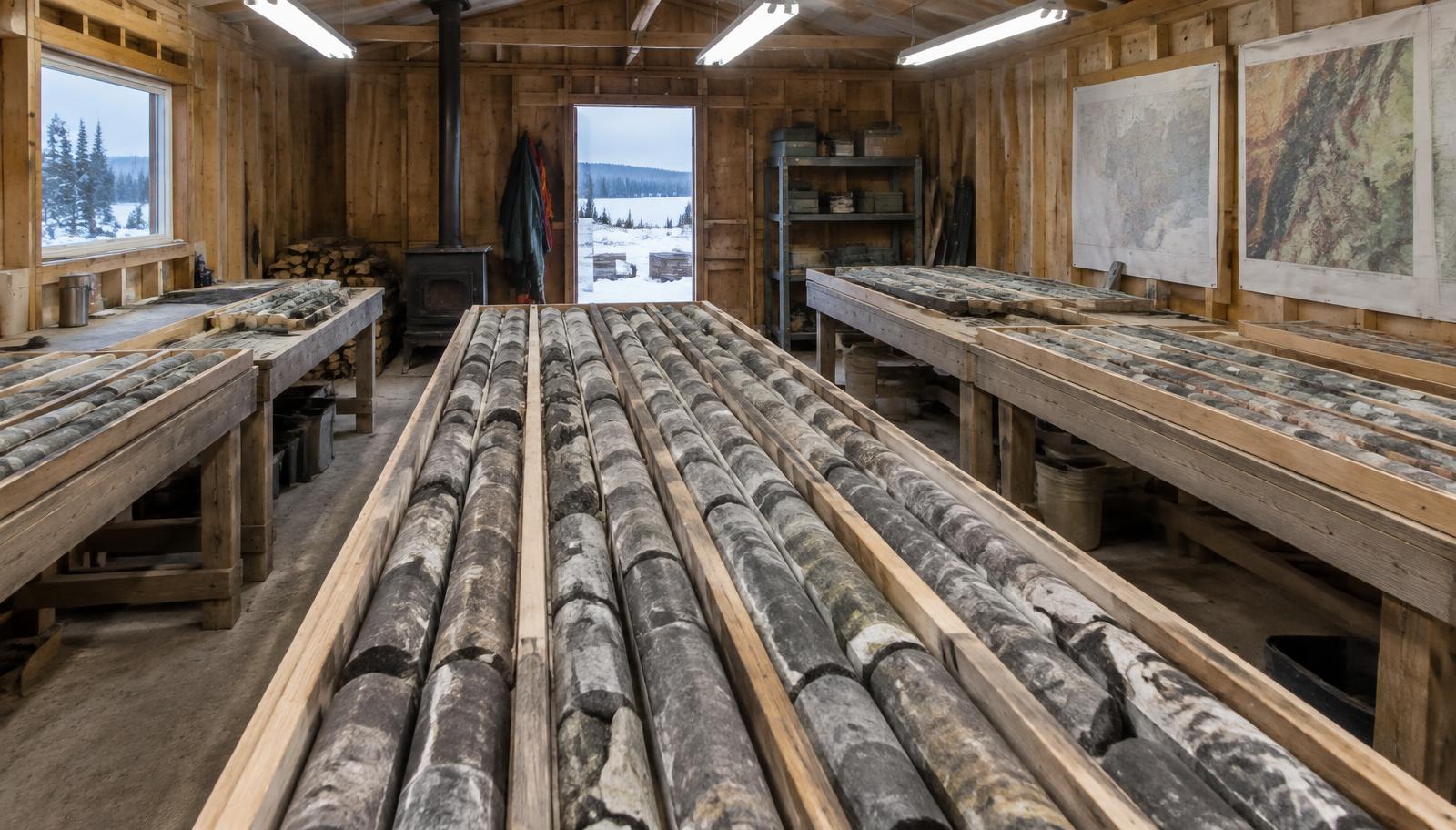
Junior exploration was the busiest corner of the Canadian market this week, and almost none of it is paid for out of revenue. It is paid for by placements, and those placements are priced two different ways at once: flow-through shares above the market, ordinary units below it. The difference is a tax deduction the Canada Revenue Agency lets an exploration company hand to the buyer. Here is what that deduction is worth in dollars, why the calendar pushes the cheques into the autumn, and what each kind of financing does to the share count.

By Élise Galarneau8 min read

OpinionEconomy

The Loonie Has Two Engines: Why a 1.4-Point Rate Gap Is Only Half of the Canadian Dollar Story

The Bank of Canada's policy rate sat about 1.4 percentage points below the US effective federal funds rate in early September 2026, metals prices rose 4.2 per cent into August, and the loonie ended the week close to where it began. That stops being a puzzle once the currency is read as the net of two forces, the rate gap and the terms of trade. Here is how each one works, what the Bank's commodity index says about August, and what a five per cent move in the loonie does to a US$10,000 position.

By Hannah Kuan8 min read

Economyproductivity

GDP Growth Is Not Productivity Growth

Real GDP by expenditure grew 0.8% in the second quarter of 2026. That says nothing about whether output per hour worked improved — and for long-horizon investors, the second question is the important one.

By Priya Sandhu2 min read

Economytrade

CUSMA Has Become a Valuation Variable

A functioning free-trade agreement and significant sectoral tariffs can coexist. Two Canadian companies with identical U.S. revenue can carry entirely different trade risk.

By Priya Sandhu2 min read

OpinionEconomyExplainer

The Case Against Chasing Dividend Yield in Canada

A simple high-yield screen on the TSX tends to surface companies the market already doubts, not hidden value. This piece explains why yield alone is a poor screen, which metrics — payout ratio against free cash flow, dividend growth history, debt profile — actually matter, and where high yields are structurally legitimate.

By Élise Galarneau3 min read

EconomyTrade

Canada's Trade Balance and the Concentration Problem

Canada's exports remain unusually concentrated in a single destination market, a structural feature that two decades of diversification efforts have barely moved. This piece explains why that concentration is a direct earnings risk for TSX-listed exporters, not just a macro footnote.

By Élise Galarneau3 min read

EconomyMonetary policy

Bank of Canada Holds at 2.75% and Signals a Longer Pause

The Bank of Canada held its policy rate at 2.75 per cent for a third straight meeting and dropped language markets had read as an easing bias, a more hawkish signal than the unchanged rate suggests. Bond yields, the loonie and rate-sensitive equity sectors all moved on the guidance shift rather than the rate itself.

By Élise Galarneau4 min read

We use necessary cookies to run the site and, only with your permission, analytics cookies to understand what readers use. Cookie policy