
TSX Venture Financing Conditions Improve for the First Time in Two Years
TSX Venture financing conditions have improved for two straight quarters, the first sustained recovery since 2024. The gains are concentrated in gold and copper, dilution terms remain wide, and history suggests a broad-based recovery would take longer to confirm.
By Hannah Kuan3 min readTranslation: human
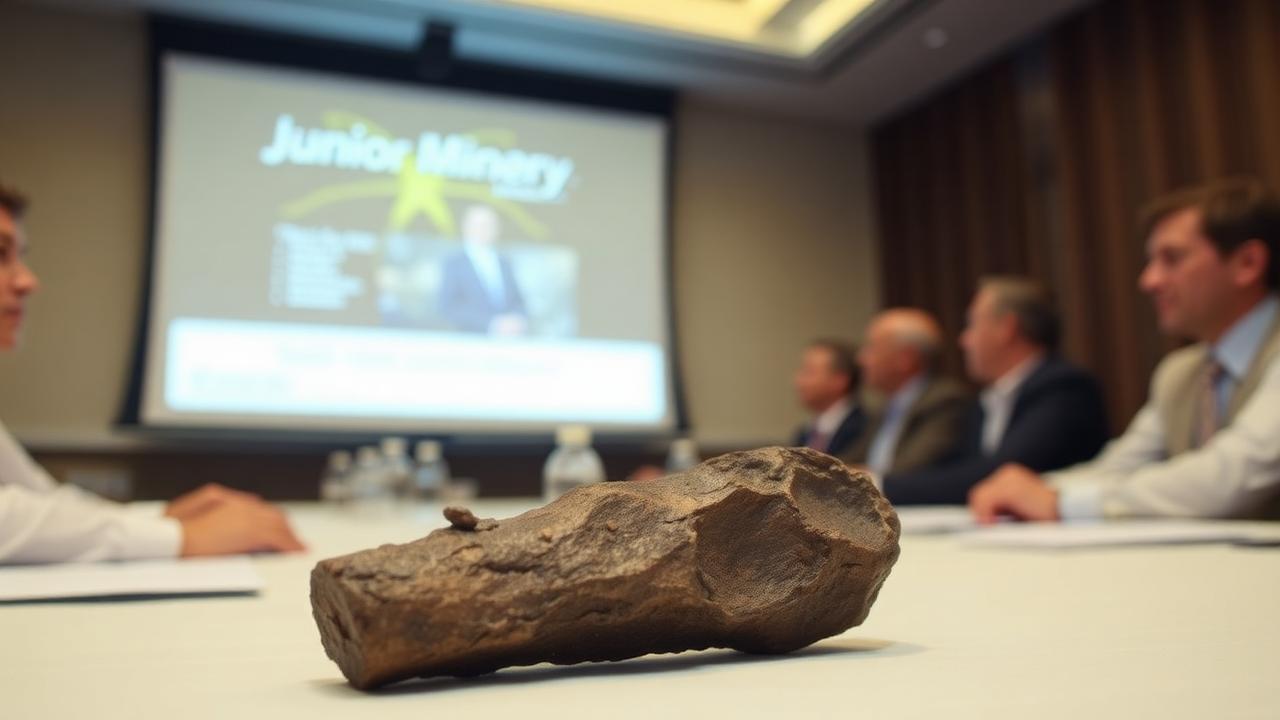
Placement volume
Rising
Second straight quarter
Leading sectors
Gold and copper
Lithium still weak
Terms
Still dilutive
Wide warrant coverage
Private placement volumes on the TSX Venture Exchange rose for a second consecutive quarter, the first sustained improvement in financing conditions for junior issuers since the market turned in 2024. For a sector where nearly every dollar of exploration and development spending originates as equity, that consecutive-quarter pattern is the closest thing the market has to a leading indicator of activity ahead.
Where the money is going
Gold and copper explorers absorbed the largest share of the new capital, consistent with the metals that have drawn generalist and specialist investor interest through the downturn in junior financing. Lithium and battery-materials financings remained subdued, reflecting the continued weakness in spodumene pricing and the retreat of generalist capital from that corner of the market. The unevenness matters: a broad-based recovery in financing conditions looks different from a recovery concentrated in one or two commodities, and the current data points to the latter. Investors screening the space should treat "Venture financing is improving" as a statement about specific commodities rather than the exchange as a whole.
Why it matters for discovery
Exploration is funded almost entirely by equity issuance, not internally generated cash flow, because juniors by definition do not yet have production. That makes the financing window the single most important input into how much drilling gets done in a given year. A two-year financing drought translates, with a lag, into a shortage of new deposits later in the decade, because discoveries made today are the deposits that get permitted, financed and built in the 2030s. The current improvement is the earliest visible signal that the exploration pipeline may begin to refill after a period in which many issuers cut programs to the bone or went dormant entirely.
Reading the financing structure, not just the volume
Volume figures on their own describe demand for exposure to the sector, but they say nothing about the terms attached. Private placements in the junior space are typically priced at or near market with attached warrants, and the warrant structure — full, half, or none — is itself a signal of how much leverage the underwriter or lead order had over the issuer. A financing done with no warrant coverage and a tight discount indicates real investor appetite for the specific story; one that requires a full warrant and a wide discount indicates the issuer had few alternatives. Two quarters of rising volume is consistent with either scenario, which is why terms deserve as much attention as headline dollars raised.
Context from prior cycles
Prior Venture financing recoveries have generally started narrowly, in whichever commodity is attracting generalist attention, before broadening as returns on the early movers draw capital into adjacent names. If gold and copper continue to lead while other commodities lag, that pattern would be consistent with an early-stage recovery rather than a sector-wide one, and investors should calibrate expectations for how quickly financing conditions improve for issuers outside the leading commodities.
The caution
Improved volumes are not the same as improved terms. Warrant coverage and discounts to market remain wide, meaning existing shareholders are still absorbing significant dilution for each dollar raised. A recovering financing market in its early stages typically still favours capital providers over existing holders, and it can take several more quarters of improvement before competition among financiers compresses discounts and warrant coverage back toward levels seen in stronger markets. Until that compression shows up, the practical effect of "improving conditions" for an existing shareholder is that dilution is more available, not necessarily cheaper.
What this means for portfolio construction
For investors already holding junior names, the immediate consequence of improving financing conditions is often a wave of new private placements across the portfolio, since companies that were previously unable to raise will move quickly once a window opens. That means dilution risk across a basket of junior holdings can rise even as the sector's prospects improve, and it argues for evaluating each financing on the specific use of proceeds — a fully funded drill program versus a raise for working capital and general corporate purposes — rather than treating all new issuance as equally value-accretive.
What to watch
Track quarterly private-placement volume and average deal size reported by the TSX Venture Exchange, the split between flow-through and hard-dollar financings, warrant coverage ratios and discount-to-market on new deals, and whether the commodity concentration in gold and copper broadens to other metals including lithium. A narrowing of discounts and a reduction in warrant coverage across successive financings would be the clearer signal that terms, not just volumes, are normalizing.
Read next
 Canadian MarketsTSX Venture Stocks: Separating the Signal from the NoiseThe TSX Venture Exchange is where Canadian resource and technology startups raise capital. Here is how to evaluate them without getting swept up by promotion.Hannah Kuan · August 30, 2026 · 8 min
 Mining and ResourcesFirst Lithium Minerals Opens a Third Financing in Four Months at a Price Above Its Own CloseFirst Lithium Minerals Corp. (CSE: FLM, FSE: X28) began a new listed issuer financing exemption offering on September 16, 2026, its third since May. Fully subscribed it would raise about C$5.0 million and issue 44.6 million shares against 112.2 million already outstanding. The company's own July offering document put working capital at roughly C$100,000 and carried a going-concern note. The Frankfurt line exists and did no business on 17 September.Priya Sandhu · September 18, 2026 · 8 min
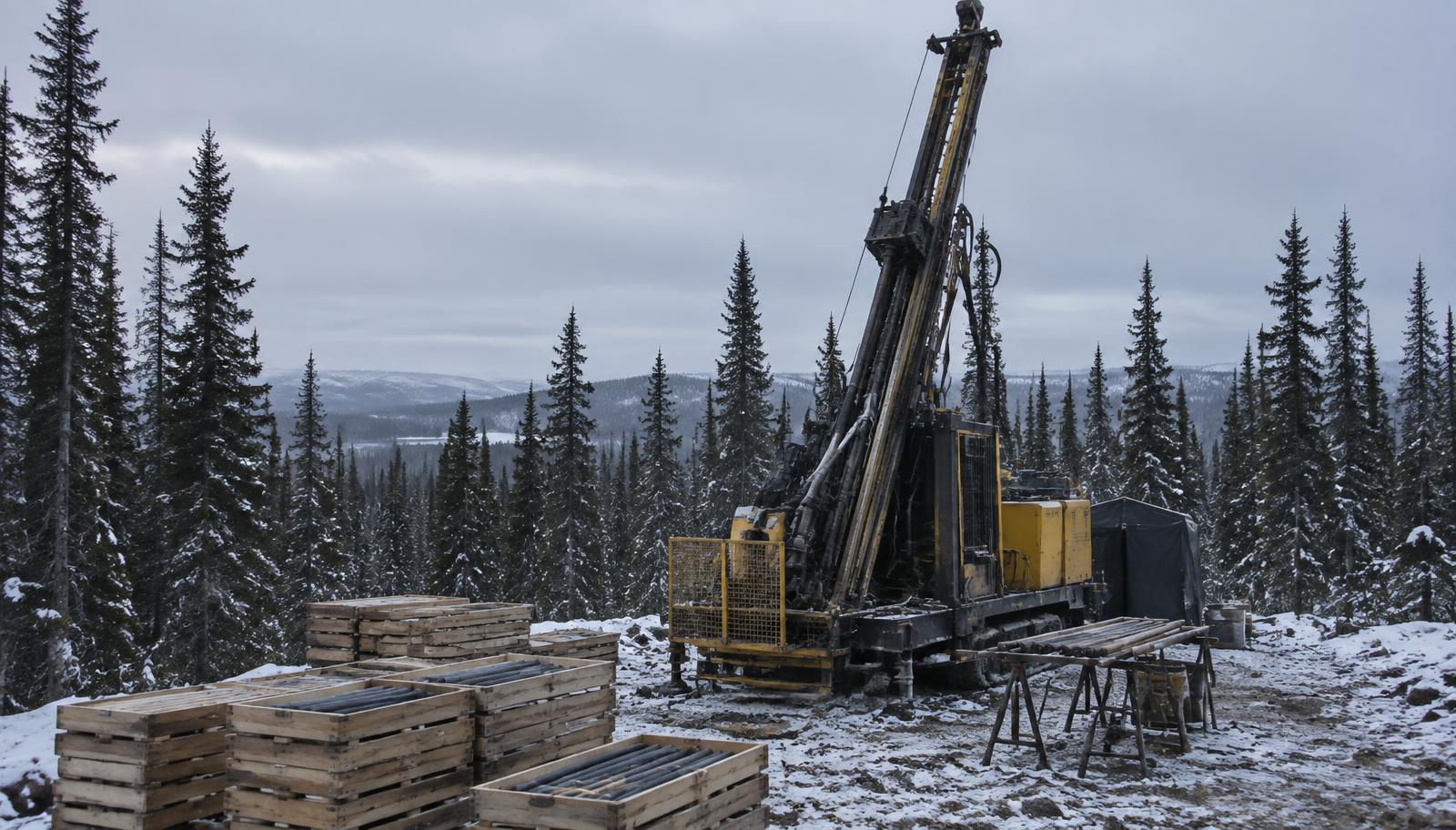 Mining and ResourcesA Kilometre From Its Nearest Hole, FireFox Gold Drilled 21 Metres of 4.13 g/t in LaplandFireFox Gold Corp. (TSXV: FFOX) reported on 16 September 2026 that hole 26MJ032 cut 21.0 metres averaging 4.13 g/t gold more than 650 metres from any previous drilling at Mustajarvi in Finnish Lapland. The shares closed at C$0.63, up 26.0 per cent on thirteen times average volume. Two earlier holes this month carried higher grades and moved nothing. What changed was the distance, and a paid listing that ran the same day.Priya Sandhu · September 17, 2026 · 7 min
Get the Maple Morning Debrief
Yesterday's close, overnight, and what to watch before the open — in your inbox by 6 a.m. ET. Free, and one click to unsubscribe.
Follow and ask
Get more of our Canadian market coverage in Google Top Stories.
Disclosure
Information only. Not investment advice. The Maple Markets does not hold positions in securities discussed. See the Financial Disclaimer.
Sources and references (3)
Cite this analysis
Please attribute The Maple Markets and link to the original page.
Hannah Kuan (May 11, 2026). TSX Venture Financing Conditions Improve for the First Time in Two Years. The Maple Markets. https://themaplemarkets.ca/en/newsroom/tsx-venture-financing-conditions-improve-for-the-first-time-in-two-yearshttps://themaplemarkets.ca/en/newsroom/tsx-venture-financing-conditions-improve-for-the-first-time-in-two-years