
Canadian Commodity Stocks in the Global Cycle
Oil, copper, potash and the TSX issuers tied to the cycle.
Canadian commodity producers are sensitive to the same global cycle. Here is how to read the signals and separate the quality operators from the price takers.
By Daniel Okoye2 min read
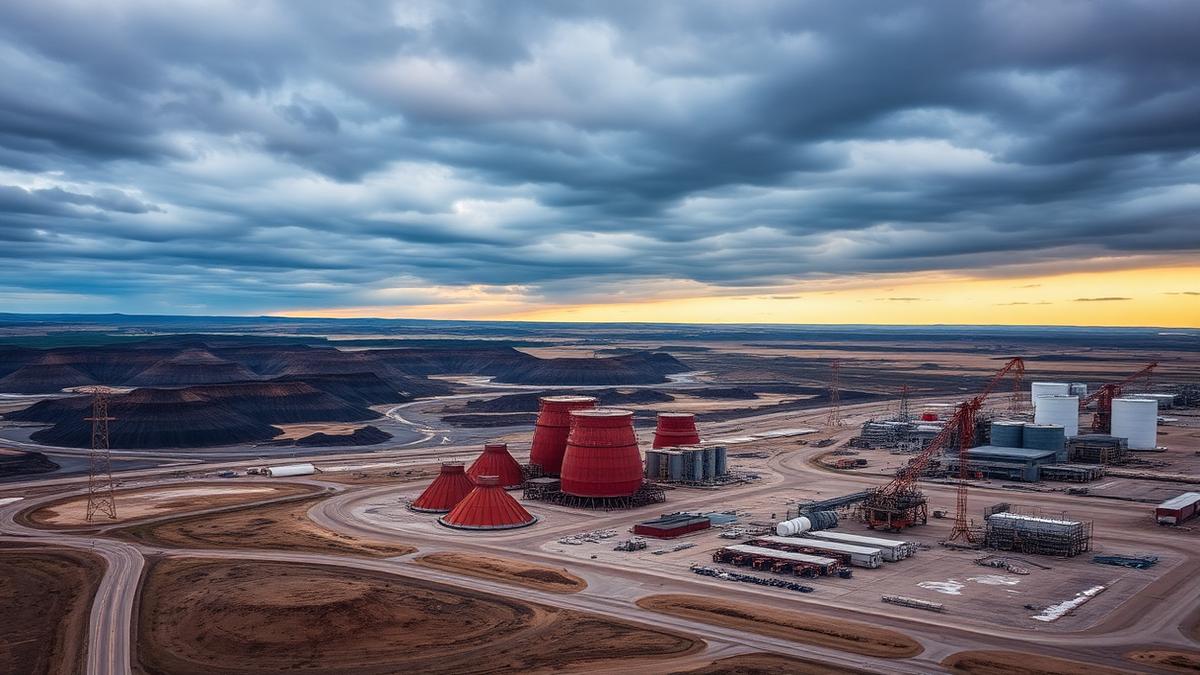
TSX energy + materials weight
~30%+
approximate index exposure
China copper demand share
~50%+
global refined copper demand
Saskatchewan potash reserves
~30%+
estimated global share
Canada is a commodity index in disguise
Energy, materials, and fertilizers make up a large share of the TSX. That means Canadian investors are already exposed to commodity cycles through their domestic equity allocation. Understanding the cycle is not optional.
The three main buckets
- Energy: Oil sands, conventional oil, and integrated producers like Canadian Natural Resources, Suncor, and Imperial Oil.
- Base metals: Copper, nickel, and zinc dominated by Teck, Lundin Mining, and First Quantum.
- Fertilizers: Potash is a Canadian specialty, with Nutrien and smaller juniors in Saskatchewan.
What drives the cycle
The global cycle is driven by Chinese industrial demand, U.S. dollar strength, capital spending discipline, and supply disruptions. A weak U.S. dollar usually lifts commodity prices because they are priced in USD. A strong dollar has the opposite effect. China is the marginal buyer of copper, oil, and potash. When China stimulates, commodities tend to follow.
Quality vs. price takers
The best commodity companies are low-cost operators with long reserve lives. They make money even when prices are weak. High-cost producers only thrive at the top of the cycle. The difference shows up in:
- All-in sustaining costs for miners.
- Free cash flow breakeven for oil producers.
- Net debt levels relative to the commodity price needed to service it.
The TSX twist
Canadian commodity stocks often trade at a discount to global peers. That is partly due to the country''s small capital markets and partly due to regulatory risk. The discount creates opportunity for patient investors who understand the cycle, but it also means volatility can be severe.
How to position
Most investors should not try to time the cycle. Instead, own the lowest-cost producers in each sector and let the cycle be a tailwind over a decade. If you must trade the cycle, use commodity futures, commodity ETFs, or a diversified energy ETF rather than betting on one stock.
Bottom line
Commodity stocks are not buy-and-hold in the same way as software or consumer staples. They require a view on the global cycle, a focus on low-cost operators, and a willingness to stomach volatility.
Read next
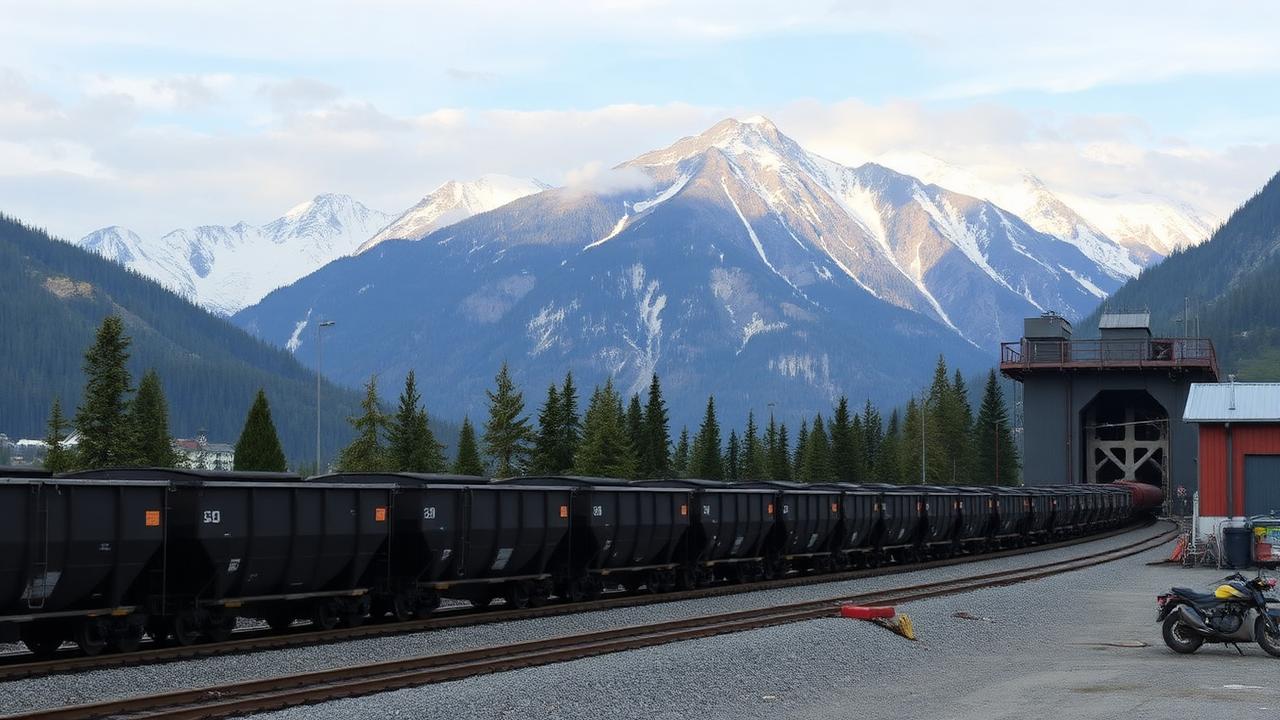 Mining and ResourcesTeck Resources and Anglo Teck: Merger Upside Versus Execution RiskTeck’s Class A and Class B shares trade on the TSX as TECK.A and TECK.B, with TECK also listed on the NYSE. Its portfolio includes Quebrada Blanca and Carmen de Andacollo in Chile, Highland Valley Copper in British Columbia, an interest in Antamina in Peru, Red Dog in Alaska, and the Trail metallurgical complex in British Columbia. Q2 2026 revenue was C$3.61 billion and adjusted EBITDA was C$2.19 billion. Teck held C$6.05 billion in cash against C$4.81 billion of debt.Marc Belzile · August 11, 2026 · 3 min
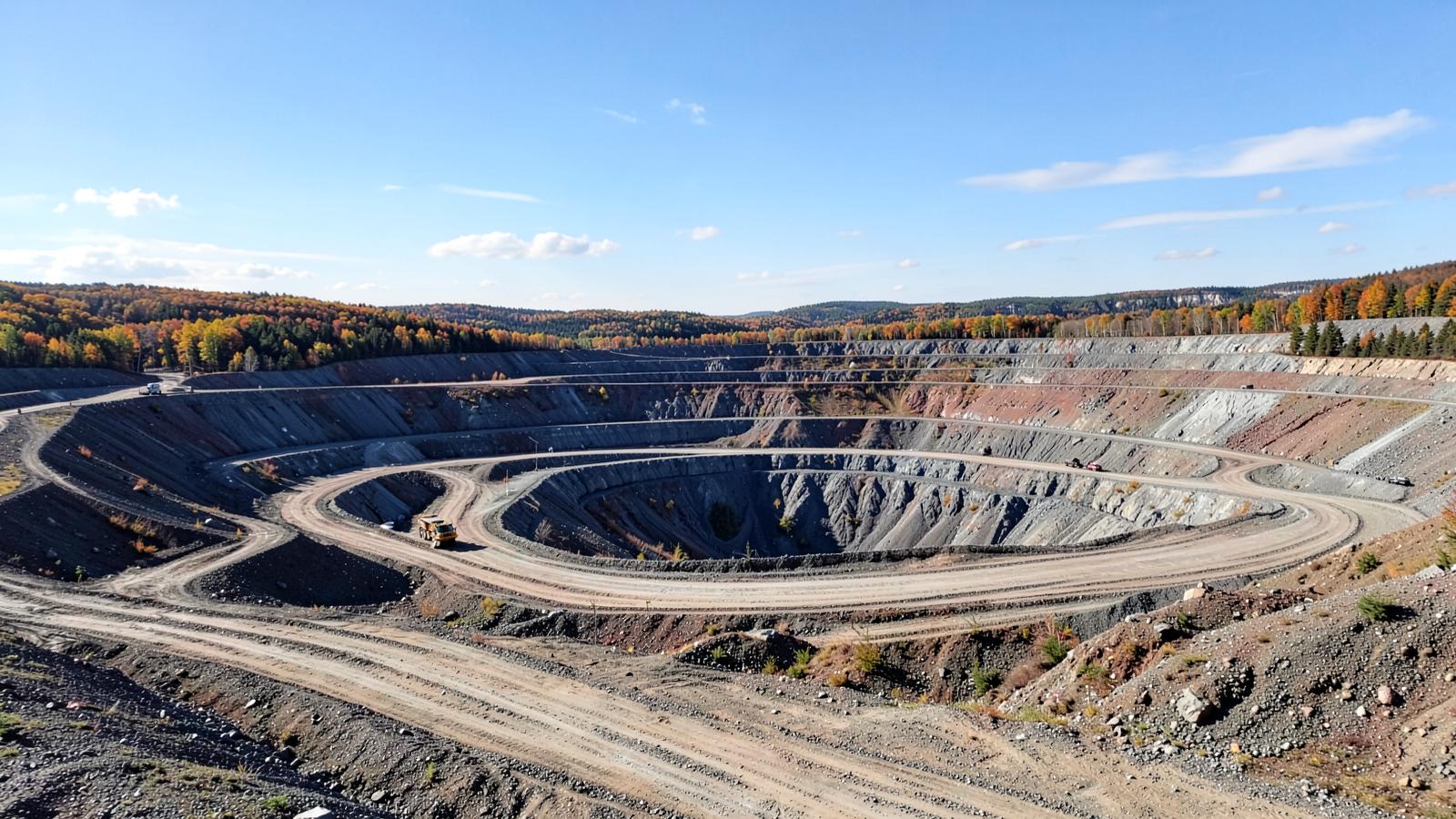 Mining and ResourcesThe quote is not the margin: what a copper and gold week is worth to a Canadian mine in looniesCopper traded at US$6.58 per pound on September 6, 2026, gold near US$4,331 per ounce on September 1, and the Bank of Canada's metals and minerals index rose 4.2 per cent in August. None of those is a Canadian producer's margin. This piece walks the arithmetic from the US-dollar quote through the exchange rate to the Canadian-dollar cash margin, shows what a five per cent stronger loonie does to it, and explains why a pre-revenue explorer reads the same week as a financing window.Daniel Okoye · September 7, 2026 · 7 min
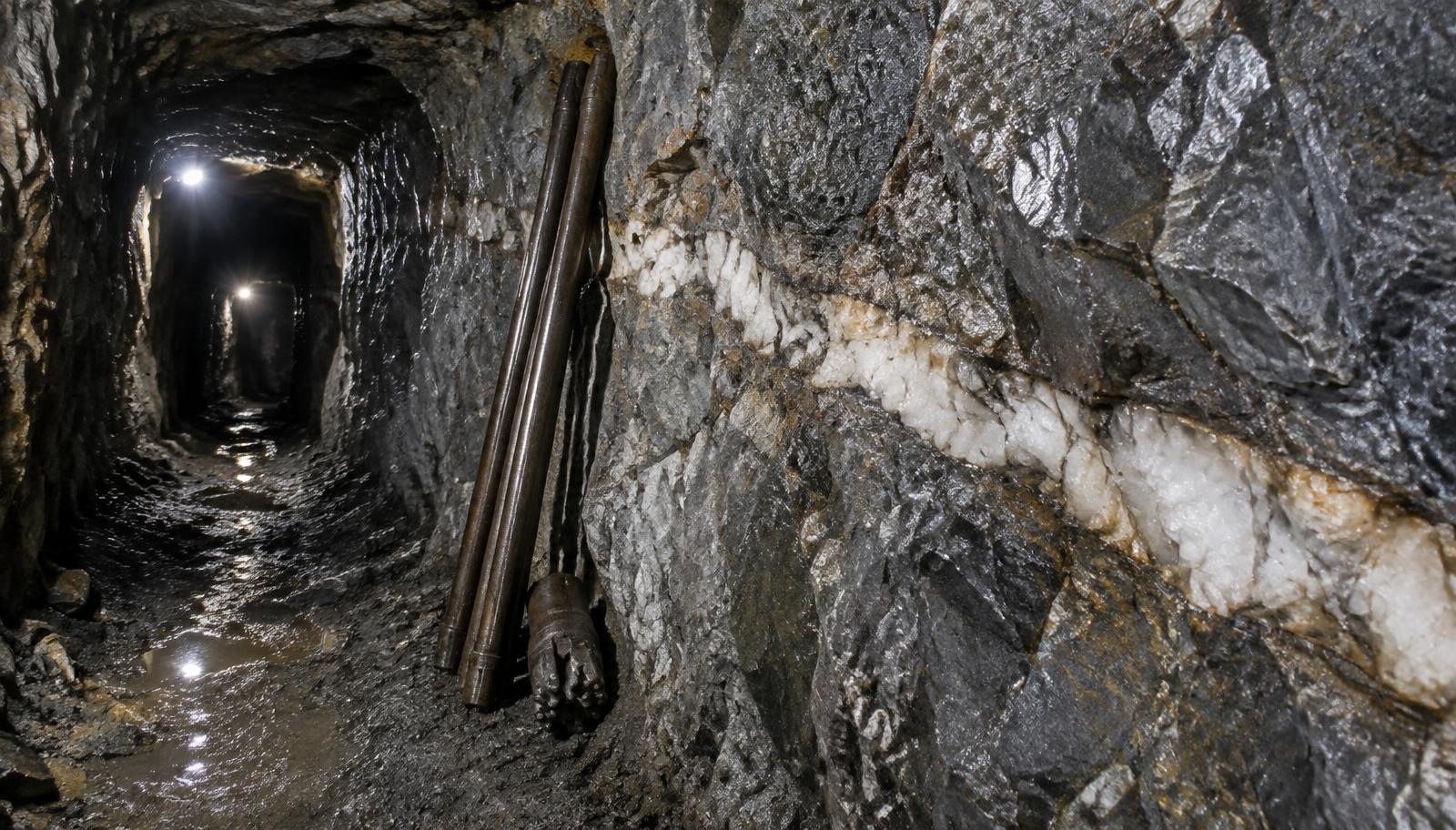 Mining and ResourcesAya Gold and Silver Has Drilled 3,501 g/t Silver at Zgounder and Sold Nothing From It YetAya Gold & Silver Inc. (TSX: AYA) reported high-grade silver intercepts near the Zgounder pit and at depth on September 16, 2026, eight days after doubling the paper value of its Boumadine project and fifteen days after agreeing to buy a copper-silver land package. The shares closed at C$40.24 on 17 September. The company holds US$182.8 million of cash, and about 80 per cent of the metal in the Boumadine study is in the most speculative resource category there is.Élise Galarneau · September 18, 2026 · 8 min
Follow this story
Follow CNQ.TO, TECK.B — the next Maple piece on these companies, plus the Maple Morning Debrief before the open.
Follow and ask
Get more of our Canadian market coverage in Google Top Stories.
Disclosure
The Maple Markets is not a registered investment advisor. This article is for information only. See the Financial Disclaimer.
Sources and references (2)
Cite this analysis
Please attribute The Maple Markets and link to the original page.
Daniel Okoye (August 23, 2026). Canadian Commodity Stocks in the Global Cycle. The Maple Markets. https://themaplemarkets.ca/en/newsroom/canadian-commodity-stocks-global-cyclehttps://themaplemarkets.ca/en/newsroom/canadian-commodity-stocks-global-cycle