
Permit, Contract, Treaty: Three Ways a Foreign State Reaches Toronto
Canadian companies held C$240.6 billion of mining assets outside Canada at the end of 2024, and the three legal instruments that govern them answer three different questions.
Colombia moved a date. Panama attached a condition. Greece switched on a power line. Three foreign-state acts landed on Canadian-listed miners inside one week, through three different legal instruments, and each one settles something the other two cannot. Natural Resources Canada counts C$240.6 billion of Canadian mining assets outside the country; the instruments are how those assets are actually held.
By Priya Sandhu9 min read
Canadian mining assets held outside Canada
C$240,565 million
preliminary, as of 2024-12-31, Natural Resources Canada, Canadian Mining Assets by country and region.
Canadian mining assets in Panama, 6.8 per cent of the overseas total and the third-largest destination
C$16.4 billion
preliminary, as of 2024-12-31, Natural Resources Canada.
the Santander temporary reserve area whose expiry reverted to 4 March 2027
75,345 hectares
Resolution 1277 of 2026-09-28, per Aris Mining's release of 2026-09-30.
the limitation period and the waiting period for an investor claim
3 years and 6 months
Articles 9.20 and 9.22, Canada–Panama Free Trade Agreement, in force 1 April 2013.
mining's share of the 60 new ICSID cases registered in the fiscal year ended 2026-06-30
18 per cent
ICSID caseload statistics, FY2026.
On 28 September 2026, Colombia's Ministry of Environment and Sustainable Development signed a resolution that moved one date backwards by two years. Nothing was dug, nothing was permitted and nothing was promised. Aris Mining Corporation reported the change two days later, and its shares closed on 1 October at C$24.58, up 0.8 per cent on the day, for a market value of about C$5.07 billion, according to market data read after the close.
That is the smallest kind of act a foreign government can take, and it still reached a Toronto-listed share. Inside the same week, Panama attached a condition to any negotiation over the largest copper mine a Canadian company has ever built, and the Greek transmission authority energised a mine that a Canadian company has spent more than US$1.2 billion constructing. Three states, three acts, three Canadian tickers. The instruments involved were not the same instrument, and that is the whole difference between them.
Natural Resources Canada counts C$240,565 million of Canadian mining assets held outside Canada as of 31 December 2024, against C$111,982 million held inside it, for a total of C$352,547 million across 1,344 companies. The 2024 figures are preliminary. Maple reported the overseas total on 27 September 2026 as C$241 billion, rounded from the same release; 747 of those companies hold assets abroad, in 95 foreign countries.
Those assets are not owned in the abstract. Each one is held under a permit, a contract or a treaty, and the three answer different questions.
| Instrument | What it decides | What it cannot do | The clock it runs on |
|---|---|---|---|
| Permit or licence | When work may lawfully begin | Transfer value, or settle economics | Days to months; reversible by the same ministry |
| Concession or state contract | What the company may extract and on what terms | Survive a ruling by the host state's own courts | Years, and reopened by negotiation or litigation |
| Investment treaty | What the company is owed in money | Restore a permit, a contract or an operation | Three-year limitation, then years to an award |
Colombia moved a date, and a date is not a licence
A temporary reserve area is an administrative instrument. A ministry declares a block of land off limits to new mining authorisations for a stated period, and when the period ends the block is no longer off limits. It does not grant anything, take anything or decide anything about a project's economics.
Colombia created one over roughly 75,345 hectares of Santander by Resolution 0221 of 3 March 2025, restricting new mining authorisations and environmental licences there until 4 March 2027. On 4 August 2026 the ministry extended the restriction to 4 March 2029. On 28 September 2026, by Resolution 1277, it revoked the extension, and the original expiry of 4 March 2027 came back. Aris Mining set this out in its release of 30 September 2026.
What that changed is the calendar for a licence application, and only that. Aris Mining has owned 100 per cent of Soto Norte since 12 December 2025, when it completed the purchase of Mubadala's remaining 49 per cent, per the company's annual information form dated 11 March 2026.
Colombia's National Mining Agency approved modifications to the project's technical mine plan on 29 July 2026, and the company's own language is that construction and mining under the approved plan may not commence until the required environmental licence has been obtained. The licence has not been applied for in the form that would decide it: the environmental and social impact assessment goes to three communities in October before it is filed with the ministry, and the company has published no expected date for the licence itself.
The permit channel moves quickly, reverses as easily as it acts, and says nothing about money. A ministry extended a restriction on 4 August 2026 and revoked the extension on 28 September 2026. Neither signature tells anyone whether the deposit will be mined.
A concession is a deal, and a court can unmake it
The second instrument is the one a government negotiates and a legislature ratifies: a concession or a state contract setting out what the company may extract, for how long and on what terms. It is specific, it is bilateral, and because it is a legal instrument of the host state it can be challenged inside that state's own courts.
Panama is the live case. Maple reported on 1 October that a ministerial commission has made the termination of First Quantum Minerals' arbitrations a mandatory condition of any negotiation over Cobre Panamá, and that President José Raúl Mulino said on 30 September that he would study the commission's report before deciding on next steps. Nothing was signed. The underlying reason a negotiation is needed at all is that the 2023 concession contract was struck down as unconstitutional by Panama's Supreme Court, which left the mine in place and its governing instrument gone.
The country matters to Canadian balance sheets out of proportion to its size. Natural Resources Canada puts Canadian mining assets in Panama at about C$16.4 billion as of 31 December 2024, 6.8 per cent of everything Canadian mining companies held abroad on that date and the third-largest destination after the United States at C$48,510 million and Chile at C$43,486 million. Mexico, where a prosecutor's document demand surfaced four days after Capstone Copper agreed to sell Cozamin, carried C$12,963 million on the same date. Colombia carried C$2,085 million.
The treaty pays money, and it does not reopen a gate
The third instrument is the one most often invoked and least often understood. An investment treaty is an agreement between two states that gives an investor from one of them the right to arbitrate against the other. It is not a mining law and it confers no right to operate.
The Canada–Panama Free Trade Agreement, in force since 1 April 2013, carries that right in Chapter 9. Article 9.11 bars direct or indirect expropriation of a covered investment except for a public purpose, under due process, on a non-discriminatory basis and against prompt, adequate and effective compensation at the fair market value of the investment immediately before the taking. Annex 9.11 then qualifies it: non-discriminatory measures designed and applied to protect health, safety and the environment do not generally constitute indirect expropriation.
The procedure is as specific as the protection. An investor has three years from the date it first acquired knowledge of the breach to submit a claim under Article 9.20, must give 90 days' written notice and wait six months from the events giving rise to the claim under Article 9.22, and may then arbitrate under the ICSID Convention, the ICSID Additional Facility Rules or the UNCITRAL rules under Article 9.23.
Every remedy in that chapter is money. A tribunal can value what was taken and order it paid. It cannot hand back a concession, reinstate a permit or restart a mill.
The International Centre for Settlement of Investment Disputes records one pending Canadian claim against Panama arising from a mining concession: Petaquilla Minerals Ltd. v. Republic of Panama, ICSID Case No. ARB/24/12, brought under the Canada–Panama agreement, registered on 16 May 2024, tribunal constituted on 10 December 2024, with Procedural Order No. 8 on document production issued on 24 August 2026 and preliminary objections joined to the merits. First Quantum's own proceedings do not appear in ICSID's public case database, which is consistent with arbitration under other rules and is not evidence about their merits.
The clock is what the word arbitration hides. Crystallex International Corporation, a Canadian company, registered its claim against Venezuela under the 1996 Canada–Venezuela bilateral investment treaty on 9 March 2011. The tribunal rendered its award on 4 April 2016, five years and twenty-six days later, and collection is a separate exercise in national courts after that. A treaty claim is a long-dated receivable of uncertain value, which is a different asset from a mine.
Mining is not a sideshow in this system. ICSID administered 363 cases in the fiscal year ended 30 June 2026, the most in its history, and registered 60 new ones; mining supplied 18 per cent of the new cases and oil and gas another 25 per cent, with North American claimants accounting for 11 per cent.
Greece is the case where the instrument did what it was supposed to do
A week of jurisdiction stories tilts towards the negative, and the week did not only run that way. Eldorado Gold announced on 28 September 2026 that Skouries had been permanently connected to the Greek national grid after final inspection, testing and approval by the Greek transmission authority, twenty days after the plant produced its first copper-gold concentrate on 8 September. The company had spent US$1.270 billion of project capital to 30 June 2026 against an estimate of roughly US$1.315 billion to commercial production.
That is a state apparatus performing an inspection and issuing an approval on a schedule a company could plan around, and it is the ordinary case rather than the exception. Commercial production remains a threshold Eldorado declares for itself, and the company has not published the throughput and recovery test it will apply, so the grid connection settles the power supply and not the ramp-up.
Three instruments, three clocks, three questions
Canada sells the listing. The Toronto Stock Exchange and TSX Venture Exchange together list about 40 per cent of the world's public mining companies, raised C$16 billion of mining equity capital during 2025, added 54 new mining listings in 2025, and carried C$1.1 trillion of mining market capitalisation at 31 December 2025. Over five years the two exchanges hosted C$52 billion across more than 6,400 mining financings, which the exchange puts at 45 per cent of the global count of mining financings and 32 per cent of the capital.
None of that governs a hectare of ground. The permit decides when work may start and can be reversed by the same signature that granted it. The contract decides what the company gets and can be unmade by the host state's own courts. The treaty decides what the company is owed and pays in money, years later, under a three-year limitation and a six-month waiting period.
The practical consequence is narrow and useful. When a foreign government does something to a Canadian-listed miner, the first question is which of the three instruments it touched, because that fixes the range of what can follow. Colombia's resolution could not have produced a payment. Panama's commission cannot grant a licence. A tribunal in Washington cannot restart a mill in Donoso. What none of the three documents will say, on any day a headline appears, is which of them the next one will be about.
Transparency note. This is an independent due-diligence analysis and editorial opinion piece produced by The Maple Markets editorial desk. It is not sponsored, promoted or commissioned, and no compensation of any kind has been received from any issuer, government body or organisation named in this article, or any party acting on their behalf. The analysis is based on public disclosure available as of the publish date; every figure is attributed to its primary source. The Maple Markets and its authors may hold positions in securities mentioned; nothing here is a recommendation to buy, sell or hold any security, and readers should not treat it as investment advice. Past disclosure does not guarantee future results. Policies: Editorial Standards · Financial Disclaimer.
Read next
Auch auf Deutsch: Genehmigung, Vertrag, Abkommen: drei Wege eines Staates nach Toronto
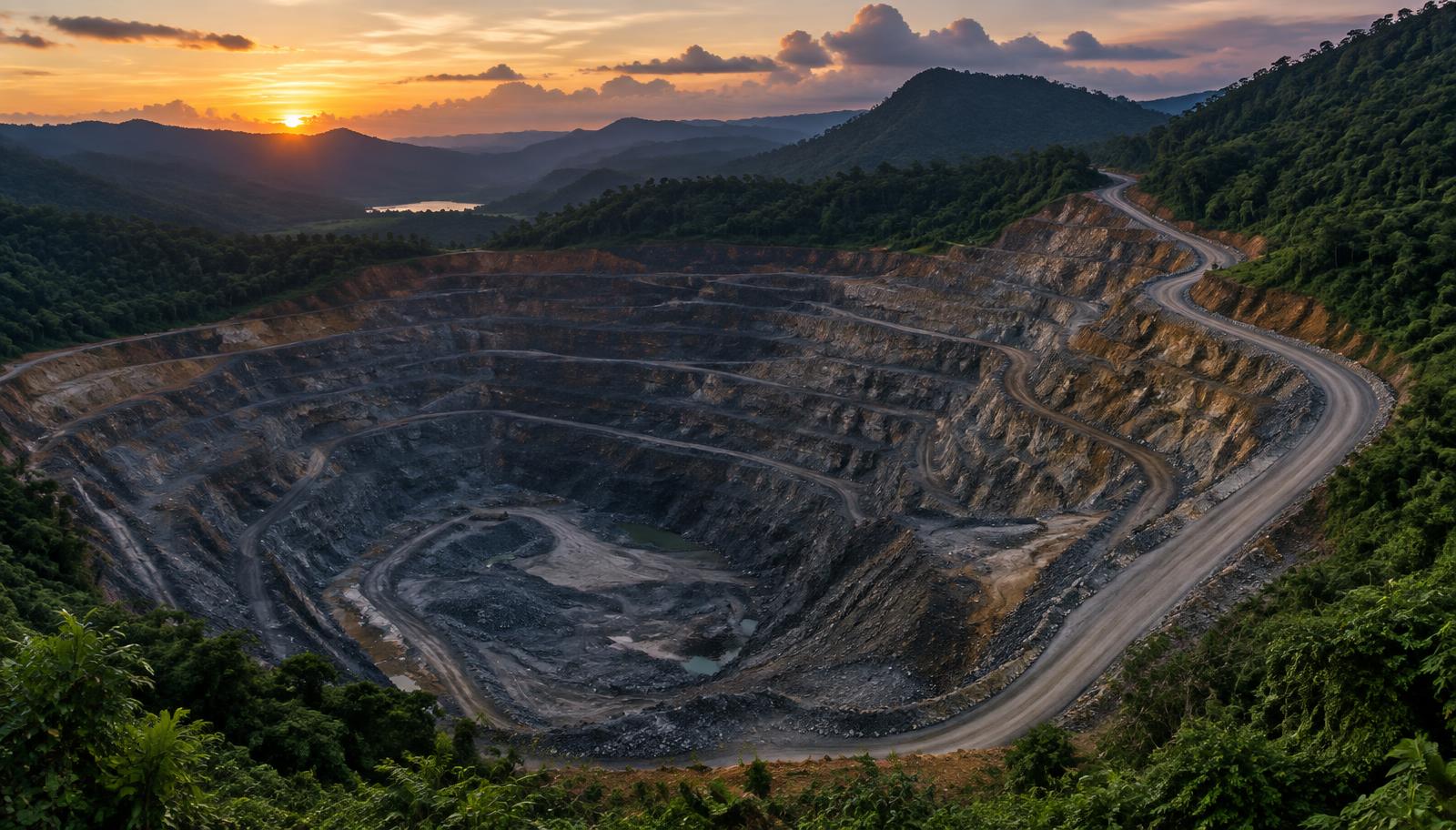
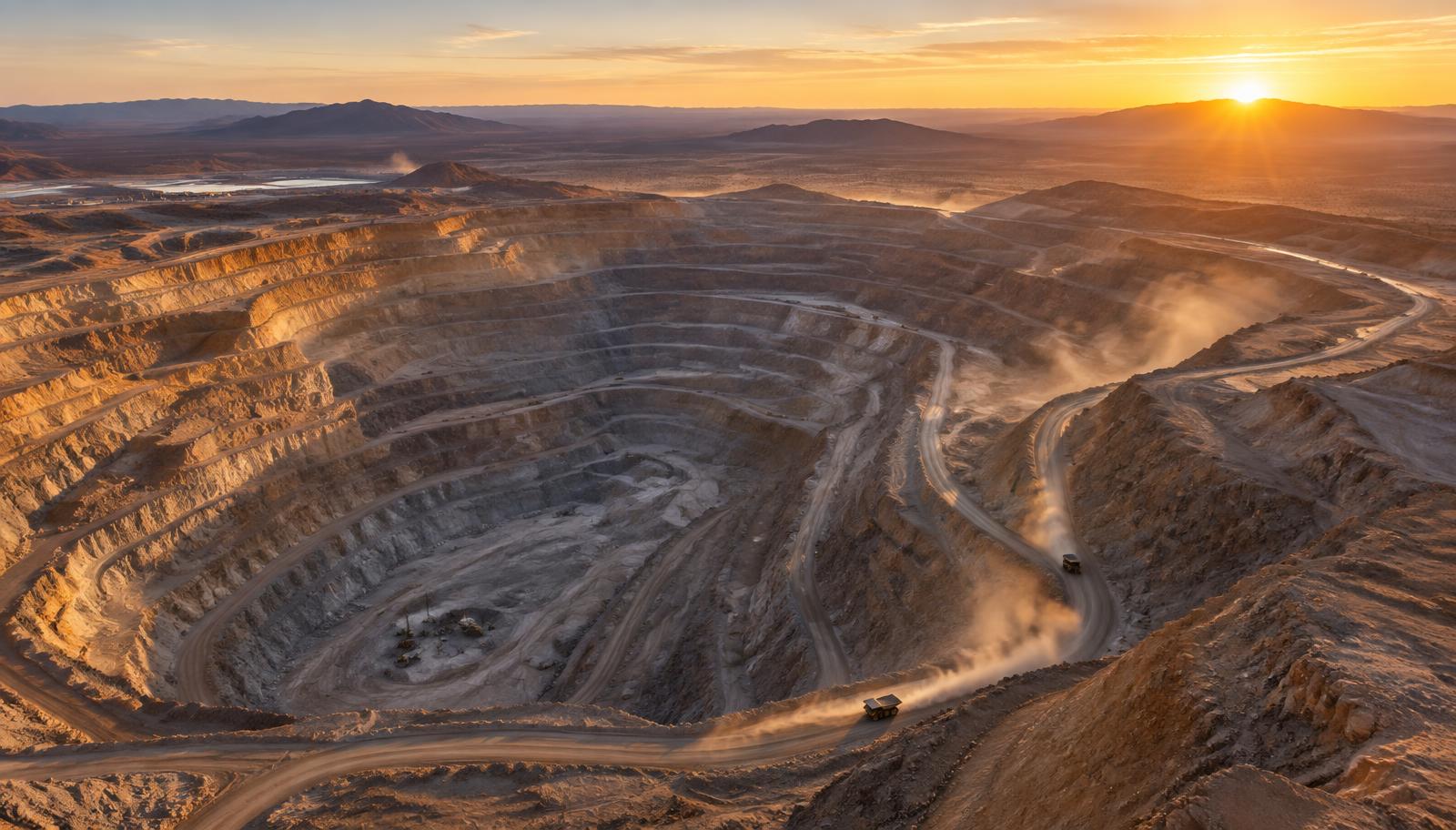 macroCanada's Miners Hold C$241 Billion of Assets Outside CanadaFive of the companies The Maple Markets covered this week dig in Niger, Japan, Morocco, the Congo and Oregon, and all of them raise money in Canada. Natural Resources Canada counts C$240,565 million of Canadian mining assets abroad at the end of 2024 against C$111,982 million at home. Where the money is listed and where the rock is have become two separate questions, and a falling loonie flattered the reported total by 4.6 percentage points.Marc Belzile · September 27, 2026 · 7 min
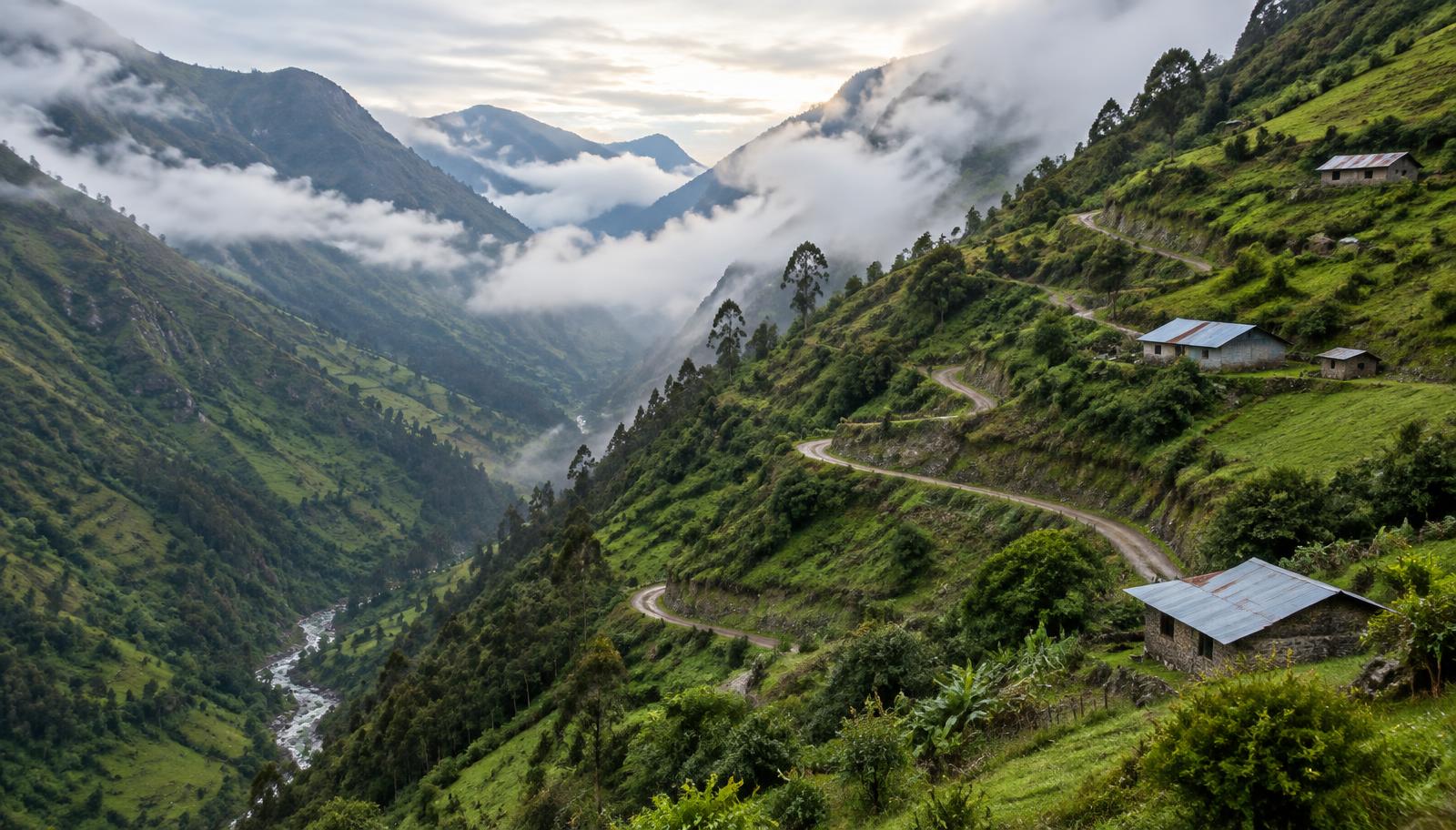 Mining and ResourcesColombia Shortens the Restriction Over Aris Mining's Soto NorteAris Mining Corporation (TSX: ARIS) said on September 30, 2026 that it has finished preparing the environmental and social impact assessment for Soto Norte in Colombia and will take it to three towns in October before filing it. The same release disclosed that Colombia's environment ministry revoked an extension of the temporary reserve area covering the project, so the restriction on new environmental licences there now lapses on March 4, 2027. Nothing can be built until a licence is granted, and the licence is the gate everything else waits behind.Élise Galarneau · October 2, 2026 · 6 min
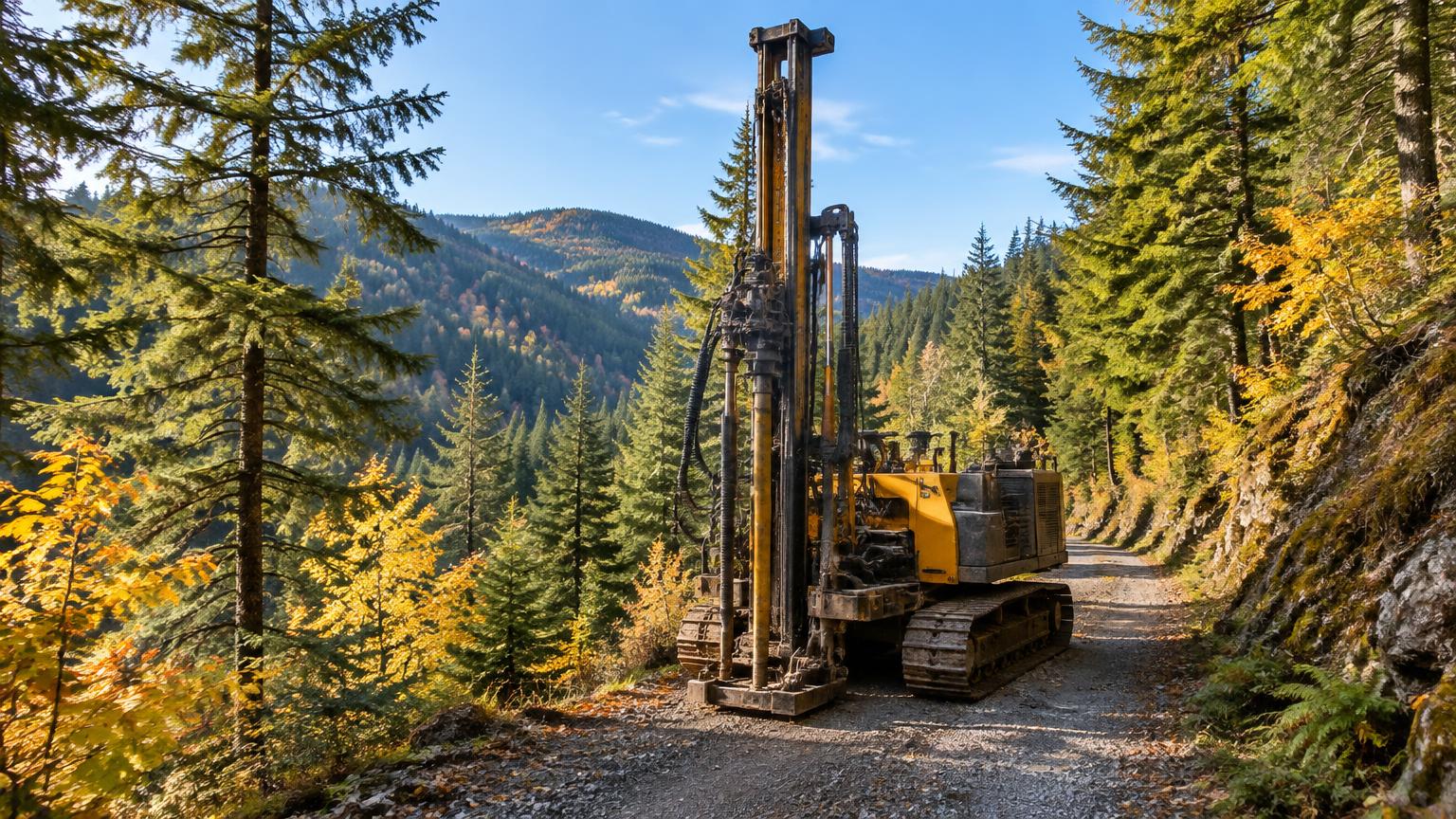 Mining and ResourcesA Drill Can Go Onto Red Flat, and Homeland Nickel Still Has No Current ResourceHomeland Nickel Inc. told the market on 17 September 2026 that the US Forest Service had accepted its plan of operation for a sonic drill programme at Red Flat in southwest Oregon, and that it can produce updated resource estimates for Red Flat and Cleopatra without drilling a single new hole. Both are genuine steps forward. Neither is a grade. The company's own technical report says Red Flat contains no current mineral resource estimate, and the shares have gone from 7 cents to 49 cents in a year on that basis.Élise Galarneau · September 24, 2026 · 9 min
Get the Maple Morning Debrief
Yesterday's close, overnight, and what to watch before the open — in your inbox by 6 a.m. ET. Free, and one click to unsubscribe.
Follow and ask
Get more of our Canadian market coverage in Google Top Stories.
Opinion
This article expresses the author's personal views, is separate from news reporting and is not investment advice.
Disclosure
Transparency note. This is an independent due-diligence analysis and editorial opinion piece produced by The Maple Markets editorial desk. It is not sponsored, promoted or commissioned, and no compensation of any kind has been received from any issuer, government body or organisation named in this article, or any party acting on their behalf. The analysis is based on public disclosure available as of the publish date; every figure is attributed to its primary source. The Maple Markets and its authors may hold positions in securities mentioned; nothing here is a recommendation to buy, sell or hold any security, and readers should not treat it as investment advice. Past disclosure does not guarantee future results. Policies: Editorial Standards · Financial Disclaimer. See the Financial Disclaimer.
Sources and references (13)
- Natural Resources Canada, Canadian Mining Assets
- Natural Resources Canada, Canadian Mining Assets by country and region, 2023 and 2024 (p)
- Canada–Panama Free Trade Agreement, Chapter 9 (Investment)
- Canada–Panama Free Trade Agreement, background and entry into force
- ICSID, Petaquilla Minerals Ltd. v. Republic of Panama, Case No. ARB/24/12
- ICSID, Crystallex International Corporation v. Bolivarian Republic of Venezuela, Case No. ARB(AF)/11/2
- ICSID releases caseload statistics for the 2026 fiscal year
- TSX and TSX Venture Exchange, mining sector profile
- Aris Mining Corporation, news releases
- The Maple Markets, Canada's Miners Hold C$241 Billion of Assets Outside Canada, 27 September 2026
- The Maple Markets, Panama Ties Any Cobre Panamá Deal to Ending First Quantum's Arbitration, 1 October 2026
- The Maple Markets, Colombia Shortens the Restriction Over Aris Mining's Soto Norte, 2 October 2026
- The Maple Markets, Eldorado Gold Connects Skouries to the Greek Grid, 29 September 2026
Cite this analysis
Please attribute The Maple Markets and link to the original page.
Priya Sandhu (October 3, 2026). Permit, Contract, Treaty: Three Ways a Foreign State Reaches Toronto. The Maple Markets. https://themaplemarkets.ca/en/newsroom/permit-concession-treaty-how-a-foreign-state-reaches-a-canadian-listedhttps://themaplemarkets.ca/en/newsroom/permit-concession-treaty-how-a-foreign-state-reaches-a-canadian-listed