

TechnologySoftware
Descartes Systems and the Case for Unglamorous Software
Logistics software is dull, sticky and priced accordingly. The switching costs are the moat.
By Priya Sandhu4 min readDSG
The latest Canadian and global market news from The Maple Markets: economy, mining, energy, technology, real estate and policy coverage for investors.
Logistics software is dull, sticky and priced accordingly. The switching costs are the moat.
By Priya Sandhu4 min readDSG

Net present value figures in technical reports rest on assumptions that deserve more scrutiny than they usually get.
By Daniel Okoye4 min read

Couche-Tard's results blend a stable, predictable merchandise business with a volatile fuel-margin business tied to the commodity cycle. The company's real long-run growth engine is its record of acquiring and integrating retail networks.
By Hannah Kuan4 min readATD

Long-term structural demand is genuine. Near-term balances are looser than the electrification narrative implies.
By Daniel Okoye4 min read

Elevated dividend yields at Telus and BCE reflect a genuine question about payout sustainability, not just a value opportunity. This piece walks through free-cash-flow payout ratios, the capital-intensity cycle, and the competitive pressures that will determine whether the dividends are actually covered going forward.
By Hannah Kuan3 min readTBCE

Losing a cornerstone asset tested the diversification argument that royalty companies make.
By Daniel Okoye4 min readFNV

Canada's short mortgage terms mean rate increases hit household budgets in staggered waves rather than all at once, with the largest renewal wave still ahead. The piece explains why Canada differs from the US, how the drag shows up in consumer spending, and what could offset it.
By Élise Galarneau3 min read
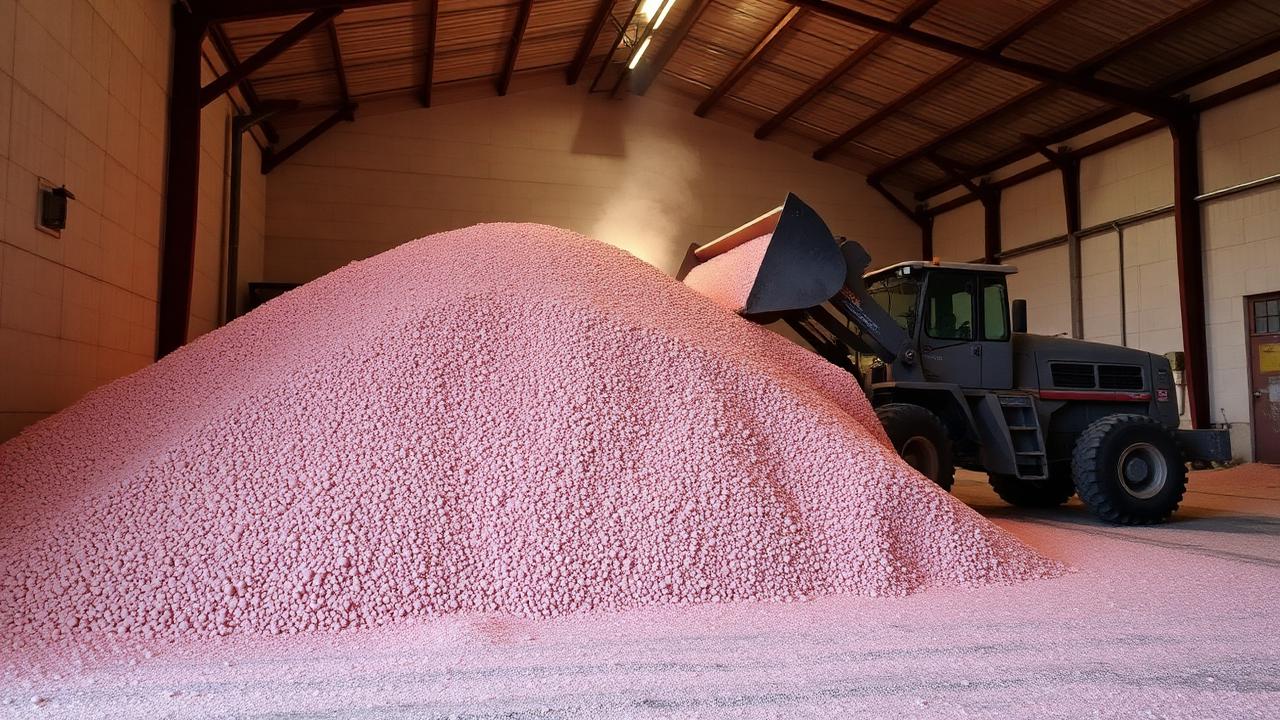
Potash prices are set through negotiated annual contracts rather than a continuous market, which is why analysts disagree so sharply on where the price floor actually sits. This piece looks at Nutrien's low-cost and retail-diversified position within that unusually concentrated market structure.
By Daniel Okoye3 min readNTR

Uranium term-contracting volumes are rising as utilities extend coverage further out, a shift that matters more to producer revenue than the widely quoted spot price. The piece explains the term-versus-spot dynamic, the slow supply response, and how to read a producer's contracted position.
By Marc Belzile3 min readCCO

Almost all of the cash flow is contracted or regulated, which is the point of owning it.
By Marc Belzile3 min readENB

TSX Venture financing conditions have improved for two straight quarters, the first sustained recovery since 2024. The gains are concentrated in gold and copper, dilution terms remain wide, and history suggests a broad-based recovery would take longer to confirm.
By Hannah Kuan3 min read

The business is a capital-allocation machine that happens to own software companies. Return on invested capital is the whole story.
By Priya Sandhu3 min readCSU

The discount on Western Canadian Select splits into a stable quality component and a volatile transport component driven by pipeline and rail capacity. Knowing which one is moving in a given quarter is key to reading heavy-oil producer earnings and forecasting when realizations might recover.
By Marc Belzile4 min read

Brookfield's headline distributable earnings blend two very different income streams: recurring fee-related earnings and lumpy carried interest. This piece explains why separating them, and watching committed capital, is the better way to read the business.
By Hannah Kuan3 min readBN

Wheaton Precious Metals buys future mine production at a fixed price instead of operating mines itself, trading operating-cost exposure for counterparty and asset-quality risk. That structural swap explains its cash-flow margins, its valuation premium over producers, and why portfolio diversification matters so much to how the risk actually plays out.
By Daniel Okoye4 min readWPM

A steady national housing-starts headline is masking a sharp split between resilient multi-unit construction and falling single-family building. This piece explains the financing mechanics behind the divergence and why materials investors should track the mix, not the total.
By Marc Belzile3 min read

Suncor's latest results show the integrated producer model working as intended, with downstream margins offsetting a weaker upstream quarter. This piece explains the natural-hedge mechanism, why utilisation and turnaround timing determine whether it holds, and where the offset has real limits.
By Marc Belzile4 min readSU

Five lines explain most of what moves a bank stock on results day. Everything else is detail.
By Hannah Kuan4 min read

Kamoa-Kakula's grade is exceptional by any standard. The question has always been power, logistics and country risk.
By Daniel Okoye4 min readIVN

The long-assumed link between crude prices and the Canadian dollar has weakened as energy's share of the economy has shrunk and interest-rate differentials have taken over as the dominant driver. This piece explains the rate-differential mechanism now doing most of the work and what that means for how Canadian investors should think about currency exposure.
By Élise Galarneau3 min read

Credit provisions rose from unusually low levels while net interest margin stayed wide, producing a quarter that was better than the headline suggested.
By Hannah Kuan4 min readRY

The company's asset base needs less sustaining capital than most producers. That is the whole investment thesis, and it is testable.
By Marc Belzile4 min readCNQ

Gross merchandise volume growth is well understood. What moves the valuation now is how much of each dollar Shopify keeps.
By Priya Sandhu3 min readSHOP

Barrick's flat headline reserve figure conceals a modest decline in grade at several large open pits and a rising share of reserves in jurisdictions with renegotiated fiscal terms. Both factors bear directly on future unit costs and the capital allocation choices management faces this year.
By Daniel Okoye4 min readABX

The TSX Composite's outperformance against the S&P 500 this year traces almost entirely to sector composition: heavy materials and energy weighting has caught a commodity upswing, while steady bank earnings add a quieter, more durable layer of return. The same concentration that is helping now is what caused years of underperformance during the US technology-led rally.
By Hannah Kuan3 min read

The Bank of Canada held its policy rate at 2.75 per cent for a third straight meeting and dropped language markets had read as an easing bias, a more hawkish signal than the unchanged rate suggests. Bond yields, the loonie and rate-sensitive equity sectors all moved on the guidance shift rather than the rate itself.
By Élise Galarneau4 min read
The most important Canadian and global market stories, in clear language, before the trading day begins.
Subscribe