
The Maple Markets

News

The latest Canadian and global market news from The Maple Markets: economy, mining, energy, technology, real estate and policy coverage for investors.

Latest

Mining and ResourcesCopper

First Quantum Stock: Building a Scenario Model for Cobre Panamá

First Quantum trades on the TSX as FM. Its main active mines are Kansanshi and Sentinel in Zambia and Guelb Moghrein in Mauritania. Cobre Panamá has been under preservation and safe-management arrangements since late 2023, although processing of stockpiled ore was authorized in 2026. Q2 2026 revenue was US$1.52 billion and EBITDA was US$400 million; net debt was approximately US$5.41 billion.

By Daniel Okoye2 min readFM

Mining and ResourcesCopper

Lundin Mining and Vicuña: How Much Is the Copper District Worth?

Lundin Mining trades on the TSX as LUN and in Stockholm as LUMI. Its operating portfolio includes Candelaria and Caserones in Chile and Chapada in Brazil. It owns 50% of Vicuña with BHP, encompassing the Josemaria and Filo del Sol deposits in Argentina and Chile. Q1 2026 revenue was US$1.16 billion and adjusted EBITDA was US$626.7 million. Cash was US$565 million, total debt was approximately US$302 million, and net cash was about US$249 million.

By Daniel Okoye2 min readLUN

Mining and ResourcesCopper

Teck Resources and Anglo Teck: Merger Upside Versus Execution Risk

Teck’s Class A and Class B shares trade on the TSX as TECK.A and TECK.B, with TECK also listed on the NYSE. Its portfolio includes Quebrada Blanca and Carmen de Andacollo in Chile, Highland Valley Copper in British Columbia, an interest in Antamina in Peru, Red Dog in Alaska, and the Trail metallurgical complex in British Columbia. Q2 2026 revenue was C$3.61 billion and adjusted EBITDA was C$2.19 billion. Teck held C$6.05 billion in cash against C$4.81 billion of debt.

By Marc Belzile2 min readTECK.B

EnergyUranium

NexGen Energy After Rook I Approval: What Comes Next?

NexGen trades as NXE on both the TSX and NYSE. It owns the Rook I property in Saskatchewan’s Athabasca Basin, including the Arrow uranium deposit. Rook I is a development-stage project with no operating revenue. On March 5, 2026, the Canadian Nuclear Safety Commission approved the project’s environmental assessment and Licence to Prepare Site and Construct. Q1 cash was approximately C$655 million, while reported current liabilities included significant convertible obligations.

By Marc Belzile2 min readNXE

EnergyUranium

Cameco Stock Analysis: A Full Nuclear-Fuel-Cycle Investment

Cameco trades as CCO on the TSX and CCJ on the NYSE. It produces uranium through McArthur River/Key Lake and Cigar Lake in Saskatchewan and holds an interest in Inkai in Kazakhstan. It also operates conversion and fuel-manufacturing businesses and owns 49% of Westinghouse. Q2 2026 adjusted EBITDA was C$391 million; cash and debt were approximately C$1.1 billion and C$1.0 billion, respectively.

By Marc Belzile2 min readCCO

Mining and ResourcesGold

Kinross Gold: Cash Returns, Great Bear and the Next Growth Cycle

Kinross trades on the TSX as K and on the NYSE as KGC. Its principal producing assets include Tasiast in Mauritania, Paracatu in Brazil, Fort Knox and Manh Choh in Alaska, and Round Mountain and Bald Mountain in Nevada. Its development portfolio includes Great Bear in Ontario, Curlew in Washington and Lobo-Marte in Chile. In Q2 2026, Kinross produced approximately 492,000 gold-equivalent ounces, generated US$2.24 billion in revenue and US$726.8 million in free cash flow, and ended the quarter with US$2.7 billion of cash and US$1.9 billion of net cash.

By Daniel Okoye2 min readK

Mining and ResourcesGold

Agnico Eagle Stock Analysis: Is Canada’s Gold Leader Worth Its Premium?

Agnico Eagle Mines trades on the TSX and NYSE under AEM. It is a senior gold producer with major Canadian operations including Detour Lake, Canadian Malartic, LaRonde, Goldex, Macassa, Meliadine and Meadowbank, supplemented by mines in Finland, Australia and Mexico. Its portfolio is predominantly producing, with large expansion and underground-development opportunities at Detour Lake, Odyssey and Hope Bay. In the second quarter of 2026, Agnico reported approximately US$2.76 billion of EBITDA and US$1.6 billion of net income. Long-term debt was only US$197 million and the company reported net cash of approximately US$3.27 billion. TMX showed a market capitalization near C$103 billion and an average target of approximately C$312.51 from 11 analysts.

By Daniel Okoye2 min readAEM

OpinionEconomyExplainer

The Case Against Chasing Dividend Yield in Canada

A simple high-yield screen on the TSX tends to surface companies the market already doubts, not hidden value. This piece explains why yield alone is a poor screen, which metrics — payout ratio against free cash flow, dividend growth history, debt profile — actually matter, and where high yields are structurally legitimate.

By Élise Galarneau3 min read
BusinessIndustrials

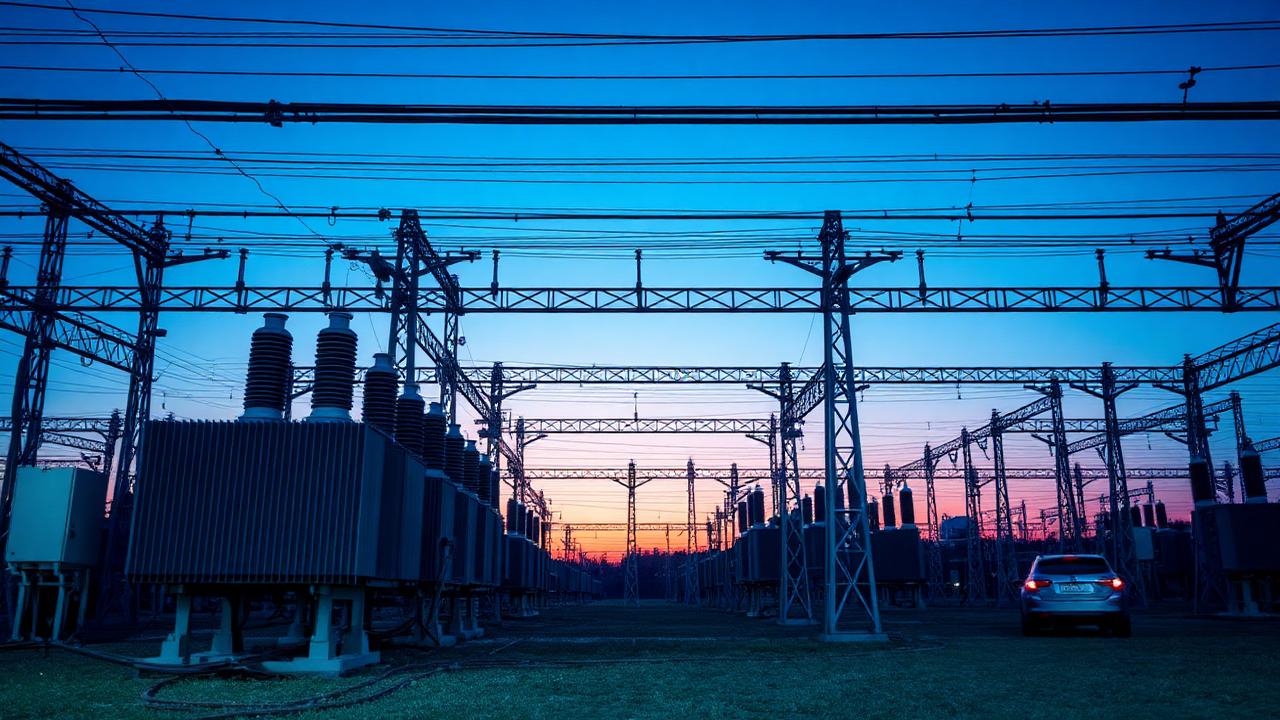
Stella-Jones, Infrastructure Spending and the Utility Pole Cycle

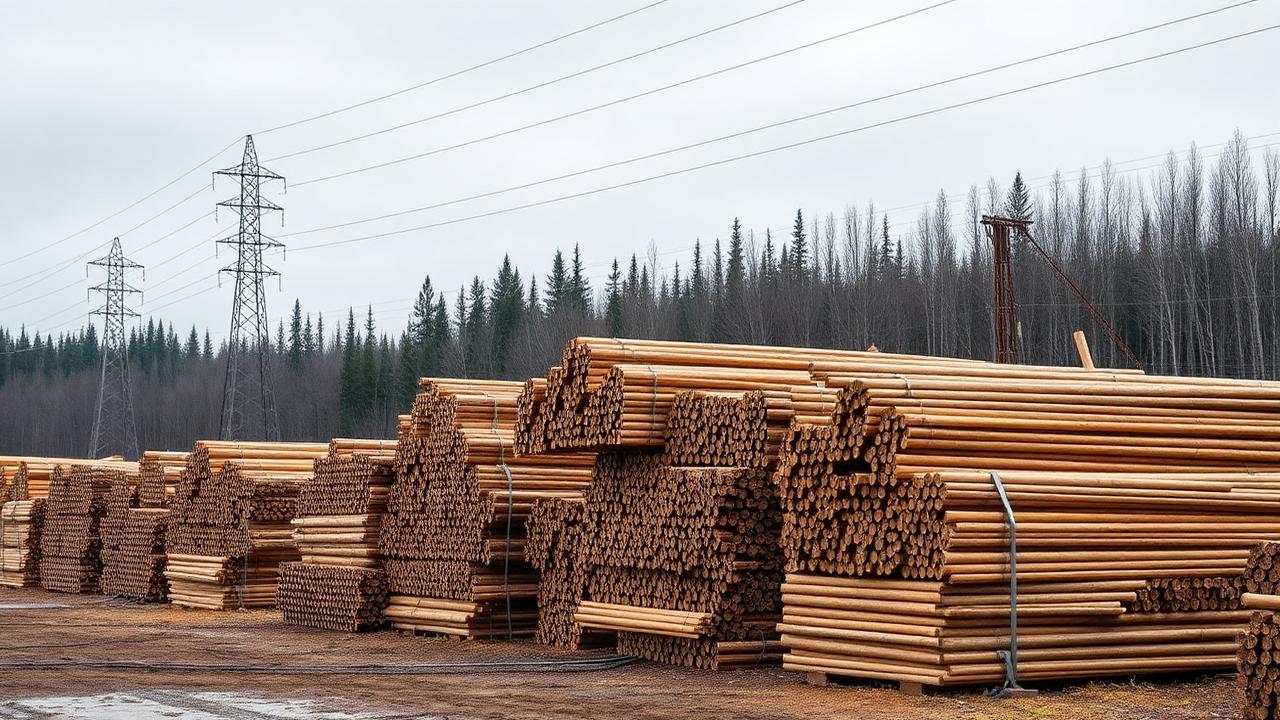
Stella-Jones sits at the intersection of grid hardening, rail capital cycles and housing activity, but its three segments respond to very different drivers. This piece breaks down why utility poles are the stable core, why railway ties add the cyclicality, and why the residential segment is the wildcard investors should watch separately.

By Hannah Kuan3 min readSJ

Canadian MarketsSmall cap

Why Canadian Small Caps Trade at a Persistent Discount

Canadian small caps trade at persistently lower multiples than larger peers mostly because of market structure, not weaker businesses: index exclusion limits passive demand, shrinking sell-side economics have hollowed out analyst coverage, and concentrated ownership thins the tradable float. The gap tends to close only through discrete, event-driven catalysts rather than gradually.

By Hannah Kuan3 min read
BusinessChemicals

Methanex and the Cyclicality Investors Keep Underestimating

Methanex's earnings swing harder than most industrial companies because of high operating leverage and volatile natural gas feedstock costs. This piece explains the mechanics behind that cyclicality and why marine-fuel demand, while structural, is not yet large enough to smooth it out.

By Hannah Kuan3 min readMX

Canadian MarketsExplainer

What a Bought Deal Means for Existing Shareholders

The bought deal is Canada's dominant equity financing structure, and its mechanics predictably pressure the share price around announcement. This explainer covers how discounts and warrants are set, what they signal about issuer leverage, and how to judge whether a deal is worth the dilution.

By Hannah Kuan3 min read

EnergyMidstream

Pembina, Egress and the Case for Owning the Toll Road

Pembina's fee-based infrastructure network profits from Western Canadian egress constraints rather than commodity prices, a dynamic often compared to owning a toll road. This piece explains why the analogy holds, where it breaks down, and what contract quality actually protects against.

By Marc Belzile4 min readPPL

TechnologySoftware

Open Text and the Debt-Funded Acquisition Problem

Open Text has grown by acquiring mature enterprise software with debt, a model that works only if acquired revenue holds up and integration stays on schedule. This piece examines where that strategy strains, and why leverage and cloud migration now matter more than the operating story.

By Priya Sandhu3 min readOTEX

Mining and ResourcesGold

Agnico Eagle's Detour Lake Expansion and the Cost of Growth

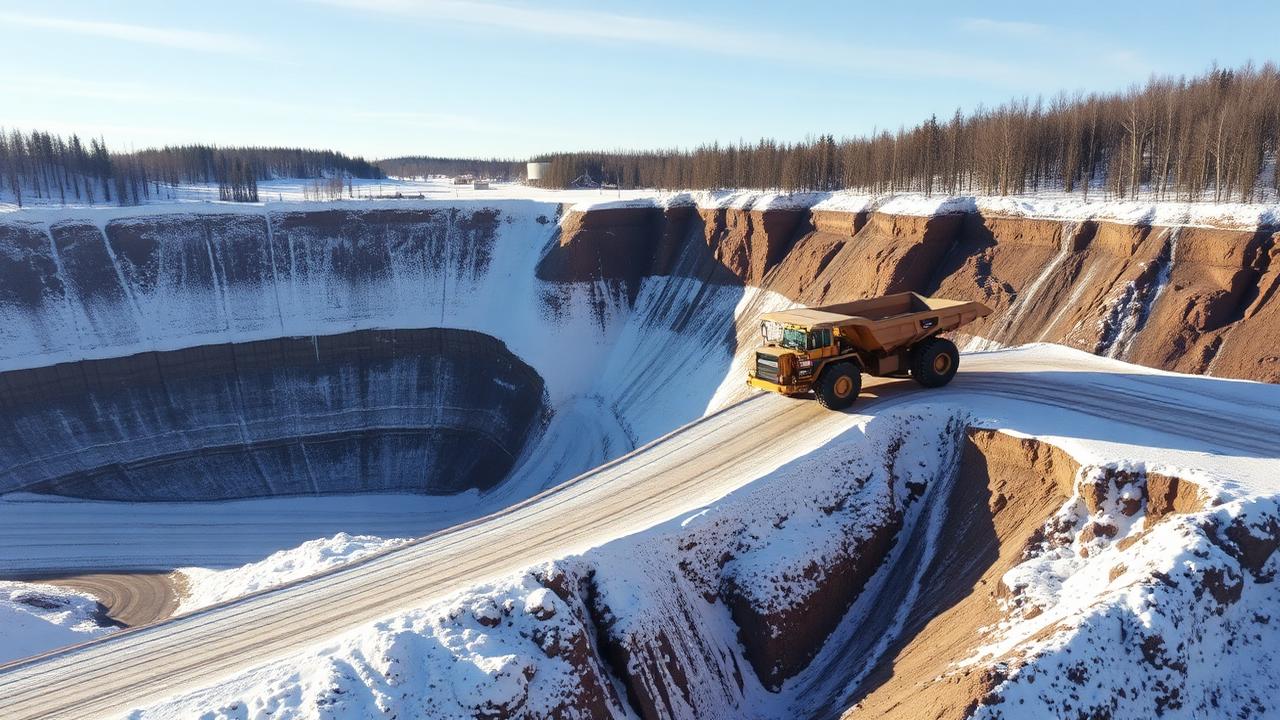
Expanding Detour Lake is cheaper and lower-risk than a new mine, but underground development and rising strip ratios push sustaining capital per ounce higher. The growth headline and the capital cost behind it need to be read together.

By Daniel Okoye4 min readAEM

CryptoProducts

Bitcoin ETFs on the TSX: What Canadian Investors Actually Own

Canada listed spot bitcoin ETFs years before the United States, but custody, fee structure and hedging vary widely across issuers. This piece walks through what actually differs beneath the ticker, and why registered-account eligibility is a real but non-trivial advantage.

By Priya Sandhu3 min read
EconomyTrade

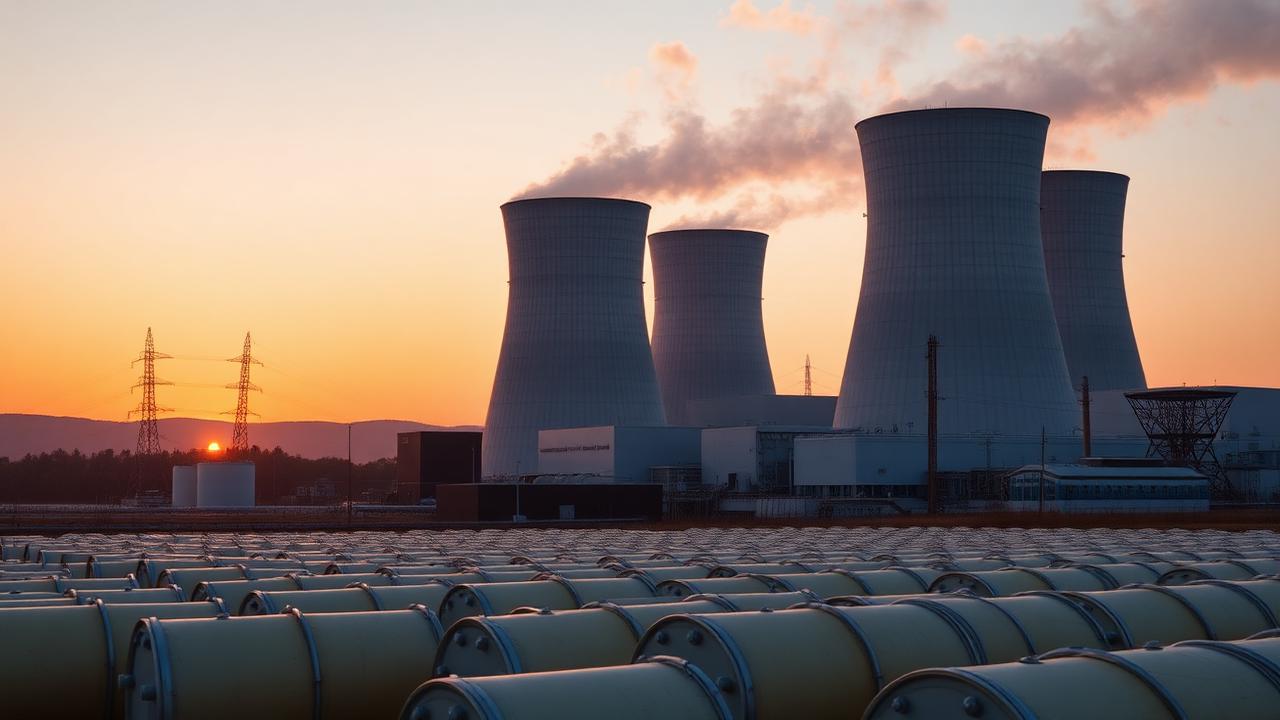
Canada's Trade Balance and the Concentration Problem

Canada's exports remain unusually concentrated in a single destination market, a structural feature that two decades of diversification efforts have barely moved. This piece explains why that concentration is a direct earnings risk for TSX-listed exporters, not just a macro footnote.

By Élise Galarneau3 min read
Mining and ResourcesExplainer

Understanding All-In Sustaining Cost and What It Leaves Out

All-in sustaining cost is the mining industry's standard cost metric, but it is guidance, not an accounting standard, and companies apply it differently. This piece explains what it captures, what it leaves out, and where by-product credits and jurisdictional differences can distort comparisons.

By Daniel Okoye3 min read

Mining and ResourcesGold

Lundin Gold's Fruta del Norte and the Single-Asset Discount

Lundin Gold trades at a discount to diversified producers despite owning one of the highest-grade gold mines built this century. This piece unpacks why single-asset concentration and Ecuadorian country risk drive that gap, and what capital allocation choices could eventually close it.

By Daniel Okoye3 min readLUG

Canadian MarketsVenture

Why the CSE Matters More Than Its Size Suggests

The Canadian Securities Exchange lists companies that senior exchanges will not, giving early-stage and regulatorily ambiguous sectors access to public capital at the cost of lighter disclosure and diligence standards. That trade-off, not fraud or illegitimacy, is the defining feature investors need to understand before sizing a position.

By Hannah Kuan3 min read

EnergyUranium

Cameco and Westinghouse: The Vertical Integration Bet

Cameco's Westinghouse stake turned a cyclical uranium miner into a fuel-cycle business with recurring services revenue. This piece unpacks what integration adds, what it costs in leverage and reporting complexity, and how to read the segments separately.

By Marc Belzile3 min readCCO

BusinessTransport

Air Canada's Capacity Discipline Is the Whole Margin Story

Air Canada's margins hinge less on its own cost control than on whether the airline industry as a whole restrains seat growth relative to demand. Fuel hedging and debt reduction shape the near-term picture, but industry capacity discipline drives the cycle.

By Hannah Kuan4 min readAC

Maple Morning Debrief

The most important Canadian and global market stories, in clear language, before the trading day begins.

Subscribe

We use necessary cookies to run the site and, only with your permission, analytics cookies to understand what readers use. Cookie policy